



ACQJ editorial office
Following the December 2025 food alert in Kosovo for the baby milk "Aptamil", the same product was also withdrawn from the Albanian market, about a month later, following a notification received through the European Union's Rapid Alert System for Food and Feed (RASFF).
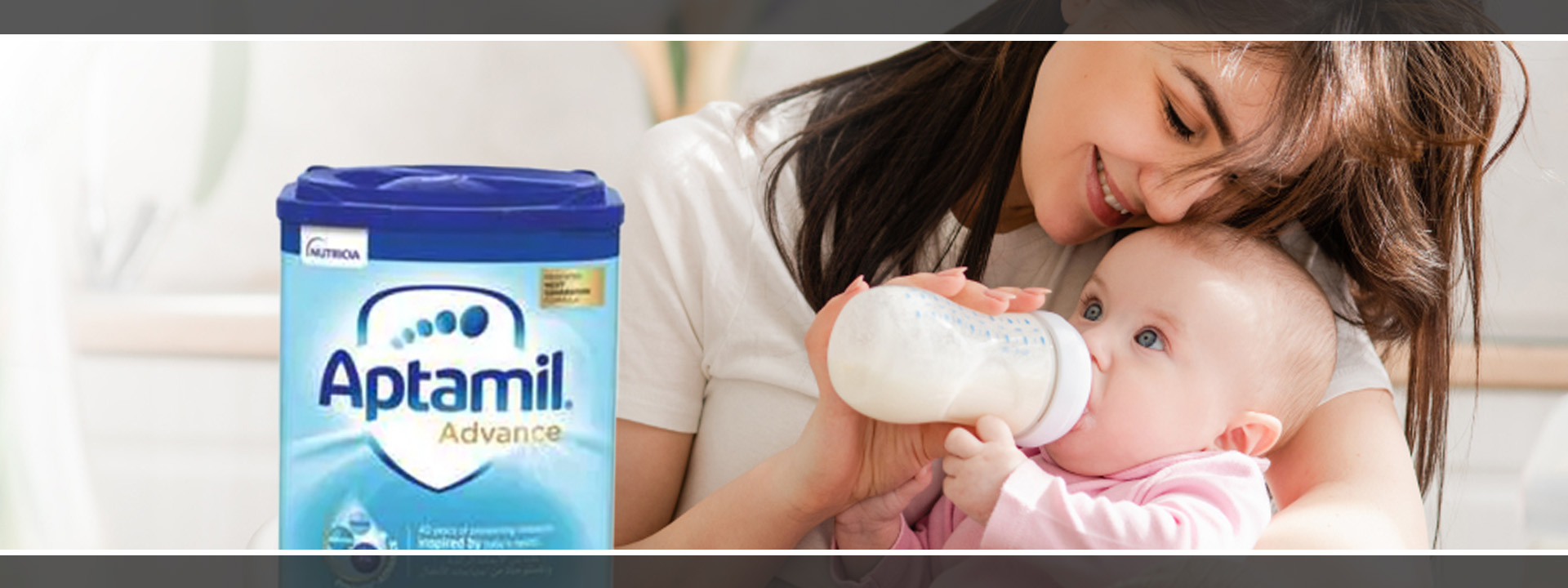
The National Food Authority (AKU) has announced the immediate withdrawal from the market of the baby product "APTAMIL 1 PRONUTRA 800G ADVANCED", after finding the presence of the substance cereulide, a toxin produced by the bacterium Bacillus cereus, known for the risk it poses to the health of infants and young children.
According to the official announcement of the AKU, the alarm came through RASFF with reference number 2026.0663, following official controls carried out in Germany, where the presence of this toxin in infant formula was identified.
"During official controls carried out in Germany, the presence of the substance cereulide, a toxin produced by the bacterium Bacillus cereus, was found in infant formula," the National Food Authority said in a statement.
The AKU announces that, immediately after receiving the notification through RASFF, inspection teams were engaged in the field to verify and withdraw the product from the Albanian market, while consumers were urged to return it to the points of sale if they have purchased this product and not use it.
"Inspection teams on the ground are engaged in the verification and immediate withdrawal of the product from the market," the AKU emphasizes, appealing to consumers to return the product if they are still in use.
According to information published by the AKU, the product withdrawn from the market has the following identifying data:
- Product name: APTAMIL 1 PRONUTRA 800G ADVANCED
- Item number: 172911
- Expiration date: 10/11/2026
The authority explains that the measures taken are aimed at protecting the health of consumers, especially infants, for whom artificial feeding constitutes a vital and extremely sensitive element in the food chain.
Cereulide is a toxin produced by several strains of the bacterium Bacillus cereus . This bacterium is widely found in the environment, in soil, and in various food products, but the main danger is related to its ability to produce toxins that are not easily destroyed by heat.
In the case of baby food, food safety standards are particularly strict, as even very small amounts of toxins or bacteria can pose a serious risk to the health of young children.
Kosovo: December 2025 alarm
This is not the first time that Aptamil products have been included in a food alert in the region. On December 16, 2025, through RASFF, authorities in Kosovo were officially notified of the presence of the bacterium Bacillus cereus in Aptamil infant formula.
The Kosovo Food and Veterinary Agency (FVA) confirmed that the risk was assessed as serious, initiating procedures for traceability and immediate withdrawal of the product from the market. The FVA called on consumers not to use the product and to return it to the point of sale.
According to data published in Kosovo, laboratory tests had found the presence of Bacillus cereus at levels not permitted in baby food, raising strong concerns about food safety and children's health.
One month difference in reaction
While the alert in Kosovo was published in December 2025, in Albania the official notification and actions to withdraw the product from the market came only in January 2026, after the alert received through RASFF from controls carried out in Germany.
The RASFF system functions as a common European mechanism for the rapid exchange of information on risks related to food and feed, aiming to prevent consumers from being exposed to dangerous products. In this context, notifications published in one Member State or partner country serve as a warning signal for other countries included in the network.
Considering that the "Aptamil" case was made public through RASFF in December 2025 in Kosovo and that it concerns baby food, one of the most sensitive categories of food products, it remains to be explained why the Albanian authorities reacted only after a month.
The delayed response, compared to the case of Kosovo, raises questions about the monitoring mechanisms, information exchange and practical functioning of the early warning system in Albania, especially when the risk is directly related to children's health./ acqj.al