


Ida Ismail
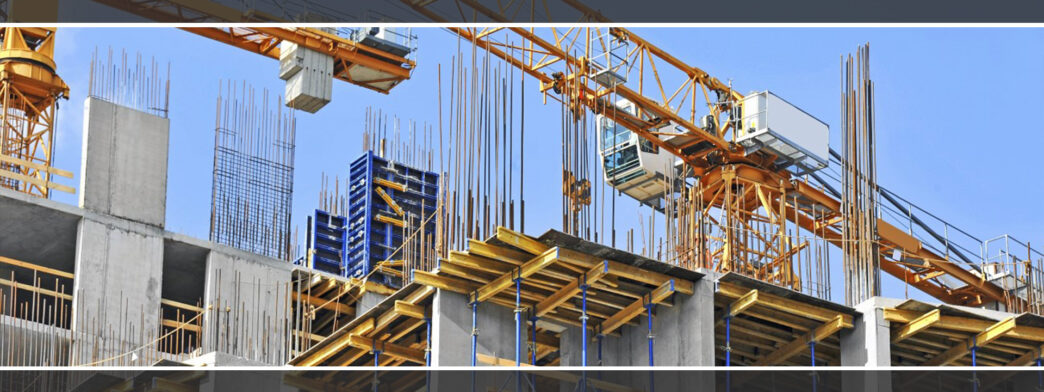
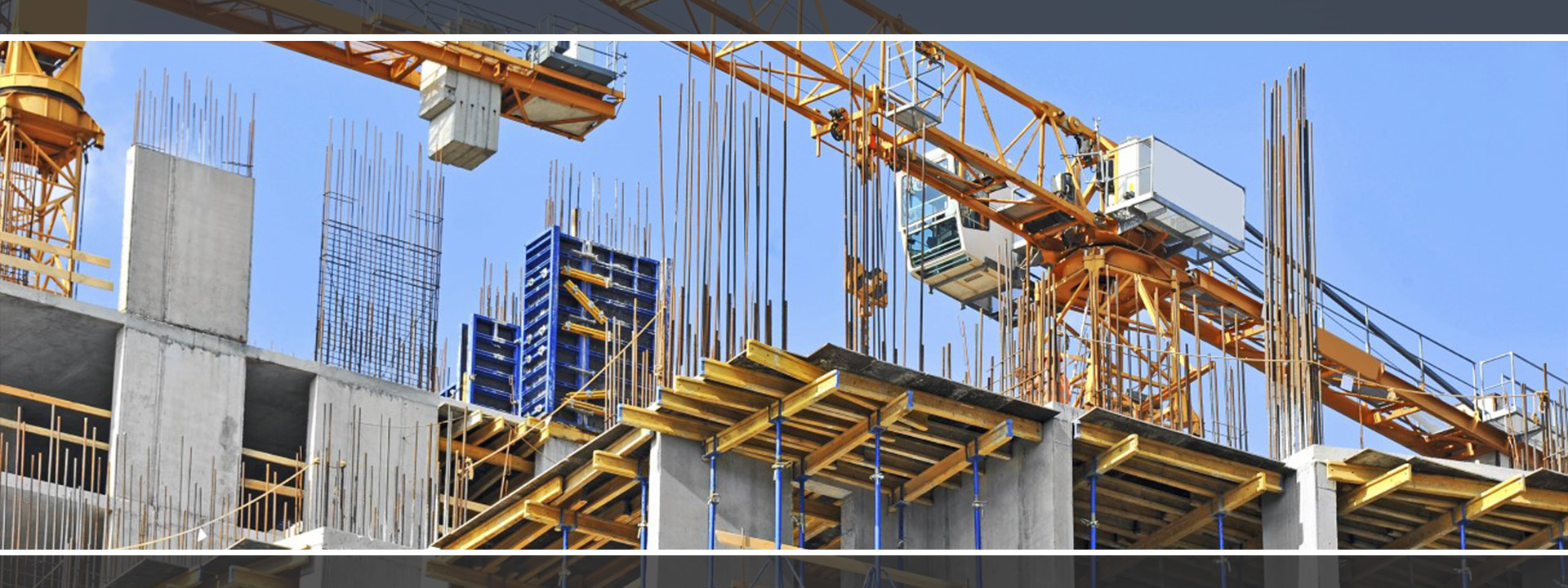
In Tirana, the high pace of construction and high-rise towers continues unabated, despite the increase in empty apartments. The construction “boom” has brought record profits for the Municipality, but, in parallel, has produced pollution, noise, urban chaos and question marks for the future.
Record building permits and millions of square meters of concrete
According to official data from the Municipality of Tirana, dozens of construction permits have been approved over the last three years:
In 2023: 62 permits
In 2024: 66 permits
In January-October 2025: 78 permits (for new construction, reconstructions, additions and changes of function).
At the same time, the Institute of Statistics (INSTAT) says that in 2024 alone, 2.4 million m² of new construction surface were approved, with 1.9 million m² of new projects in Tirana alone. Compared to 2023, the volume of construction in surface area increased by 383 thousand m² throughout the country. In the first 6 months of 2024, new construction in Tirana reached 898.640 m², an increase of 36% compared to the previous year.
In contrast to this construction boom, the Parks and Recreation Agency reports that for the same period, only 58.512 m² of new green spaces were added and 8 recreational squares were redeveloped.
Construction tax, the "engine" of revenue for the municipality
The main source of revenue for the Municipality of Tirana is the infrastructure impact tax, a tax that increases in parallel with the intensity of construction. From January to August 2024 alone, this tax brought the Municipality of Tirana 9.3 billion lek (about 93 million euros), 7 billion lek in 2023 and 7.4 billion lek in 2022.
According to real estate expert Ervin Demirxhiu, one of the factors that has driven this high level of construction is the high demand for sales and rentals, as well as fiscal policy.
"There is endless demand. Then, where this money comes from, remittances or other sources, is another story. In Tirana you pay a tax of about 11%, then you have the opportunity to get the land through 'clearing', that is, in cooperation with the owners. You start selling from the first phase of the project and this is one of the reasons why it is being built everywhere."
In many neighborhoods of Tirana, new multi-story buildings are taking the place of former public spaces.
A resident of the Ali Demi area says: "During the summer, every night we are forced to close the windows because of the noise and dust. This building was built in a few months, instead of a school that was the only space for children."
In 2024, the National Territorial Council (NTC) approved the construction of 8 new towers with heights of up to 65 floors, part of projects for the New Boulevard and central areas through public-private partnerships.
In the first 6 months of 2025, KKT has approved 18 more permits for complexes and towers ranging from 20 to 50 floors.
Tirana ranks among the most polluted cities in the Balkans, with pollution values that often exceed the norms allowed by the European Union.
According to environmental expert Rodion Gjoka, unstoppable construction is significantly worsening air quality: "The growth of construction in Tirana directly affects air pollution, with the presence of PM2.5 and PM10 particles, which are dangerous to the health of citizens. Construction and the lack of green spaces are turning the capital into a hotbed of chronic pollution."
Building stock, massive growth and unoccupied housing
The government has officially acknowledged that Albania currently has 27.5 million square meters of uninhabited buildings. The data was made public in the National Building Renovation Plan, which highlights that by the end of 2023 there will be 56 million m² of inhabited housing and 27.5 million m² of uninhabited buildings. So, although construction is ongoing, a large part of the buildings remain empty. According to the forecasts of the National Building Renovation Plan, by 2050 the total building stock in Albania is expected to increase by over 55%, while the surface area of inhabited housing will increase by around 40 million m². However, empty housing is also expected to increase, bringing the total to around 35 million m².
"In Tirana, apartment prices are increasing, as foreigners are also buying, for investment or to live in. Empty apartments are mainly owned by those who have invested to keep and resell later or by immigrants who are buying for the future," said expert Ervin Demirxhiu.
Statistics from the Tirana Court and Prosecutor's Office show another reality: while construction increases, investigations/punishments remain few.
According to the Tirana Court, in 2024, 21 people were found guilty of "illegal construction" and 3 cases were dismissed. While in 2025, 8 cases were tried, all with guilty verdicts.
Meanwhile, the Tirana Prosecutor's Office reports:
1. In 2023: 1.153 cases registered, 620 sent to trial.
2. In 2024: 1.130 cases, 358 sent to trial and 723 cases dismissed (most due to lack of facts)
3. In the first 6 months of 2025: 814 new cases, 199 sent to trial.
For 2023, the Prosecution has requested "prison arrest" for 5 people, for 2024 it has requested prison for 6 people, while for the first 6 months of 2025 it has requested "compulsory appearance" for 12 people.
A large proportion of files are closed without results, reflecting a lack of evidence and effective punishments.
Following the increase in illegal construction, on September 9, 2025, the then Minister of Justice Ulsi Manja presented a new legal package for the protection of property and territory: “The reform of the protection of territory is a necessity. Unauthorized construction will be prohibited from the first phase of the construction site. Works that exceed 2% of the permit will be confiscated, while those over 10% will be used for social housing or demolished. Abusive entities will be blacklisted and will be excluded from permits for 5 years.” Manja added that part of the reform will also include the inventory of public spaces in a cadastral register, to curb usurpations and construction on state properties.
Tirana is growing at a pace that many consider unmanageable. High-rise towers, heavy traffic, a lack of clean air, and the concreting of every space are transforming the capital into a city where development is coming at the expense of livability. The increasing number of construction projects in Tirana has brought huge profits, but also an environmental and urban crisis that is deepening every day.