


Ida Ismail
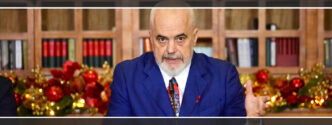
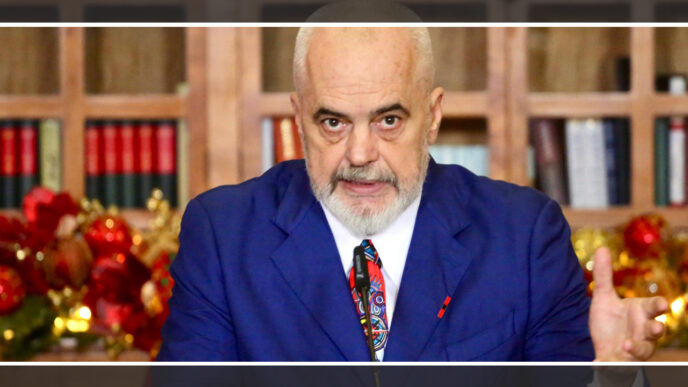
From July 11, Prime Minister Edi Rama has announced that he will no longer allow the sale of milk, dairy products, and meat without a tax invoice. This measure, according to the head of government, will formalize the market, guarantee food safety and consumer health, by bringing product traceability from farm to table, part of the agenda for integration into the European Union.
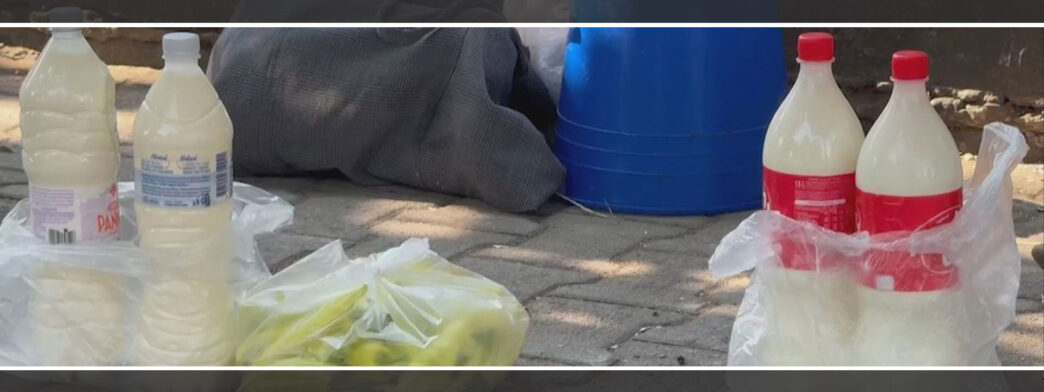
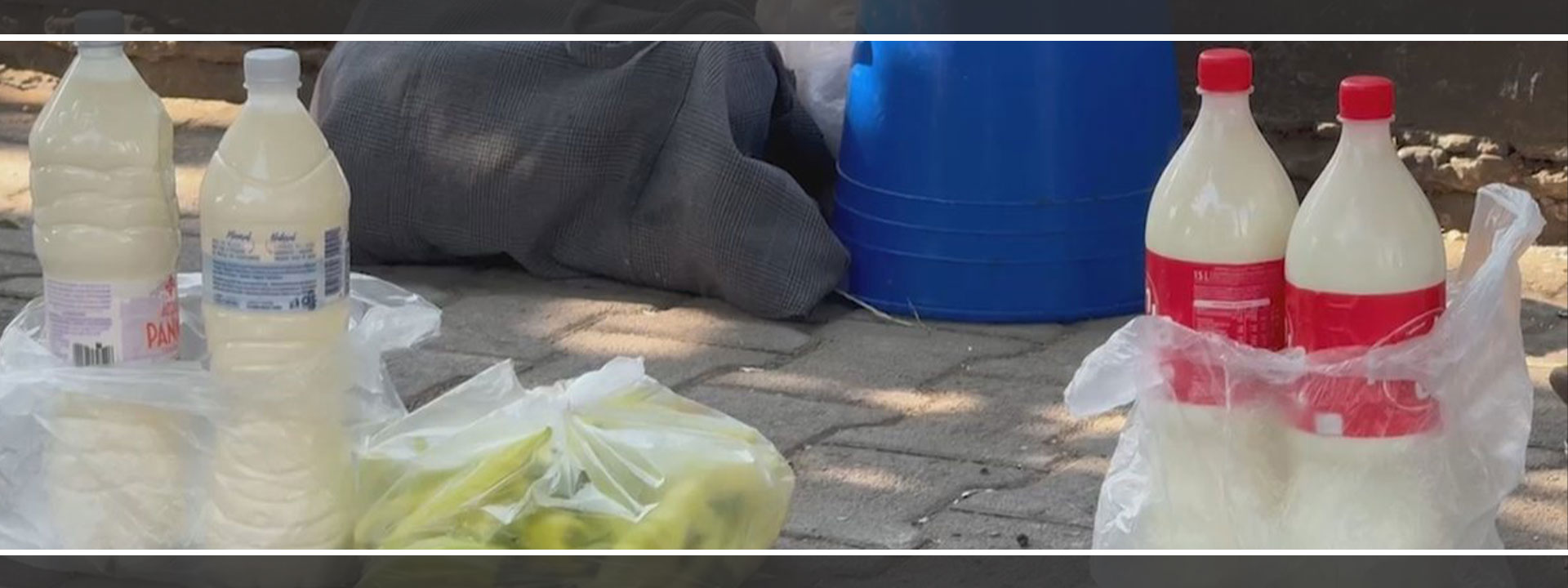
The most affected by the decision are street vendors, who every day sell the products they obtain from agriculture and livestock on the streets of the capital. One of them is Osmani, who crosses the road from Lundra every day to sell his products.
Osmani said: "Livestock and agriculture have collapsed, we have no help from the state. We have created everything with the sweat of our brow, where can we go? I have no pension and no other income."
Food safety expert Ervin Resuli says that this decision does not increase the food guarantee or the formalization of the market, but especially hits street vendors, who should have been the last link that could be affected. Resuli said: "A decision that at first glance seems good in terms of not regulating food products in unhygienic conditions, but in essence does not increase the food guarantee. Street vendors find it impossible to sell with an invoice."
As imported products dominate the market, some consumers are choosing to consume local products. One citizen says she has been buying from street vendors for years, as the products are healthier than those imported from abroad.
Data from the Institute of Statistics show that domestic production of milk and its by-products has declined, significantly favoring imports. Official figures show that from 2020 to the end of 2024, 300 million euros of dairy products and 383 million euros of meat products and its by-products were purchased from abroad.