


Ida Ismail
In a reality where people with disabilities face a lack of access to infrastructure and Services, a simple but vital initiative has brought change to the lives of dozens of individuals across the country.
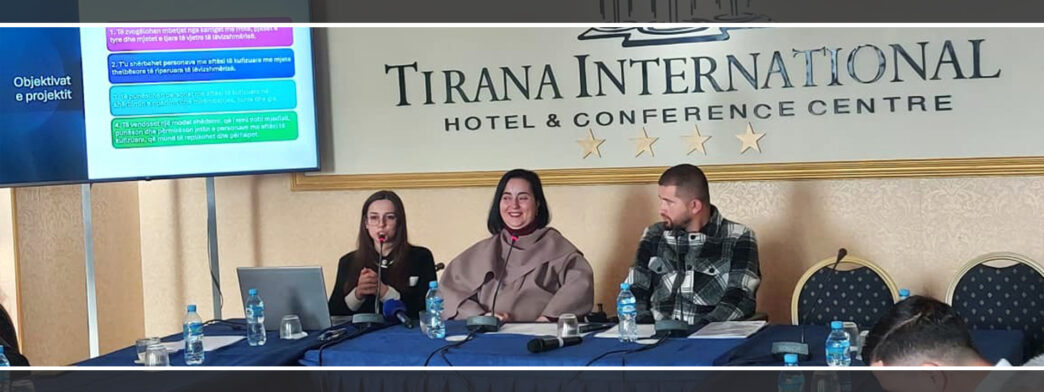
The “Together” Foundation’s project to empower people with disabilities through the circular economy, for the first time in Albania, has offered free repairs to wheelchairs and other assistive devices, helping more than 50 people. Through a mobile service, a mechanic and an assistant have traveled from city to city, repairing over 70 assistive devices and extending their lifespan.
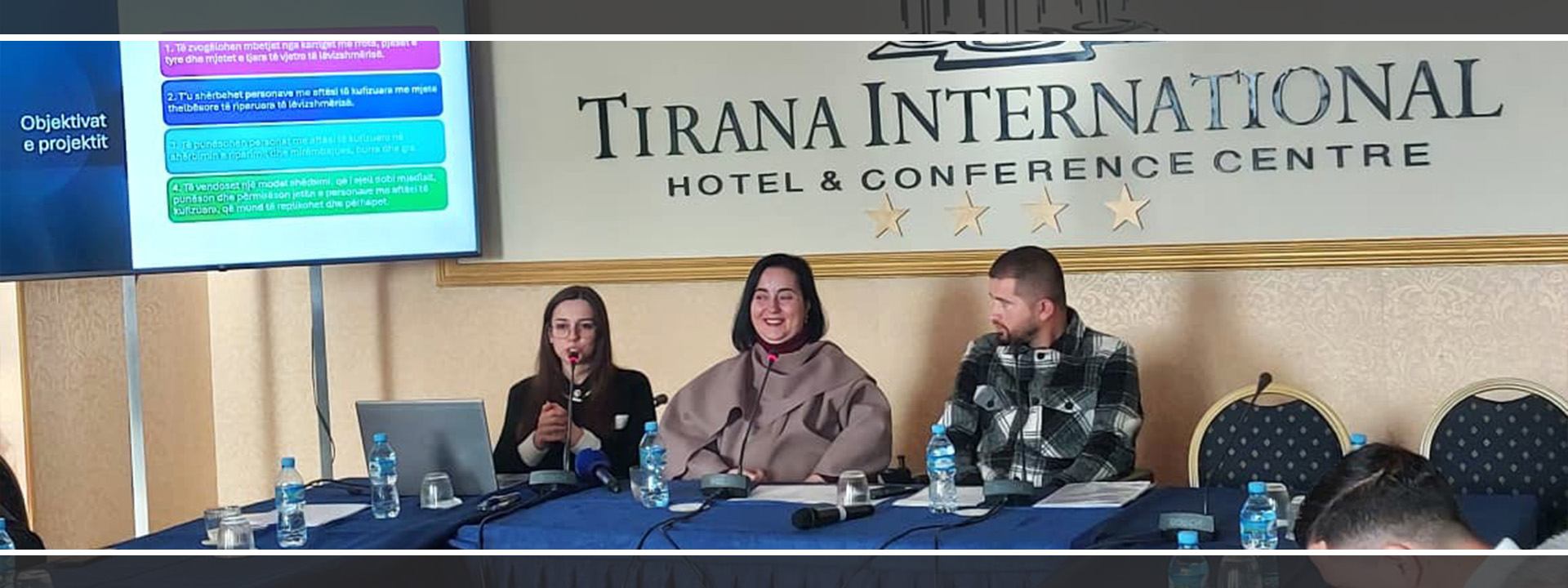
Kristiana Lee is a project assistant and wheelchair user herself, who has become the voice and first aid for each beneficiary. For her, this is not just a job, but a personal mission.
"I realized that I'm not the only one who doesn't know where to turn when my wheelchair is damaged. For me, my wheelchair is my "legs", without which I can't move. This service has been missing for years and the need is very great," she says.
Kristiana says that interest in the project was high, with people from different cities contacting her, who were relieved to learn that the service was free.
"For many of them, it was the first time they received such a service, without having to go somewhere, but coming to the apartment where they were," Kristiana underlines.
Flamur Balaj, part of the repair team, was also on site, and spoke about the challenges and daily commitment.
"It was a very positive step to help people with disabilities. I had a lot of difficulty finding tools or ordering online, which often arrived late," he says.
The team worked long hours, going directly to the homes of beneficiaries, in every corner of Albania.
"We covered 4-5 cases a day and often worked late hours because we knew how important it was for these tools to be put into operation as soon as possible," adds Flamur.
In addition to the direct impact on improving the quality of life, the project has also had an environmental impact. More than 4 tons of waste have been reduced, including toxic waste from electric chair batteries, contributing to the circular economy and environmental protection. Suela Lala, director of the “Së Bashku” foundation, says that a circle of donations with aids has also been created for people in need, who face poverty and the lack of the most basic things.
The wheelchair repair initiative is a concrete example of inclusion and solidarity, where people with disabilities themselves have become an active part of the solution. In a society where physical and institutional barriers still exist, this initiative proves that change starts with the community itself, who through their dedication are improving the lives of many others./acqj.al