


Ida Ismail
Food safety and consumer protection remain one of the most sensitive challenges of the Albanian market, where citizens' trust in products and Services is directly related to health and institutional transparency. When violations occur, complaints remain almost the only means to seek solutions and to measure how well the consumer protection system is actually functioning.
Over the years, ACQJ reports have built a consistently worrying picture of food safety in Albania. Research has revealed serious violation in basic products such as milk, meat and eggs, where the lack of laboratory analysis made control formal and not real. In addition, the role of the NFA Over the years, it has shown itself to be an institution focused more on documents than on the real protection of public health. At the same time, state actions have consistently revealed thousands of tons of unsafe food on the market, while the latest reports show that the risk to consumers remains present and uninterrupted.
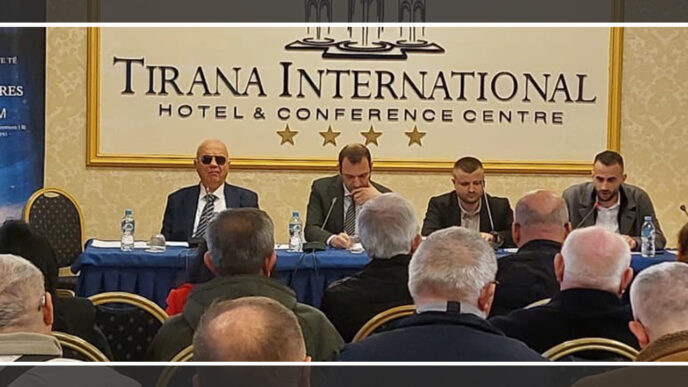
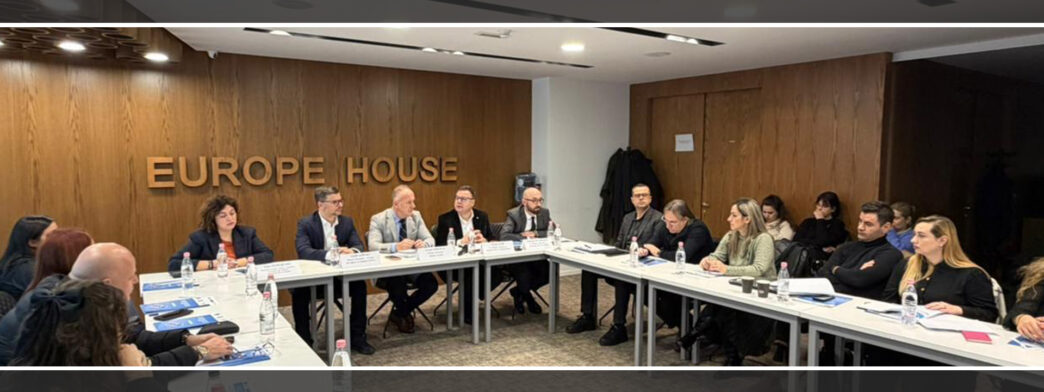
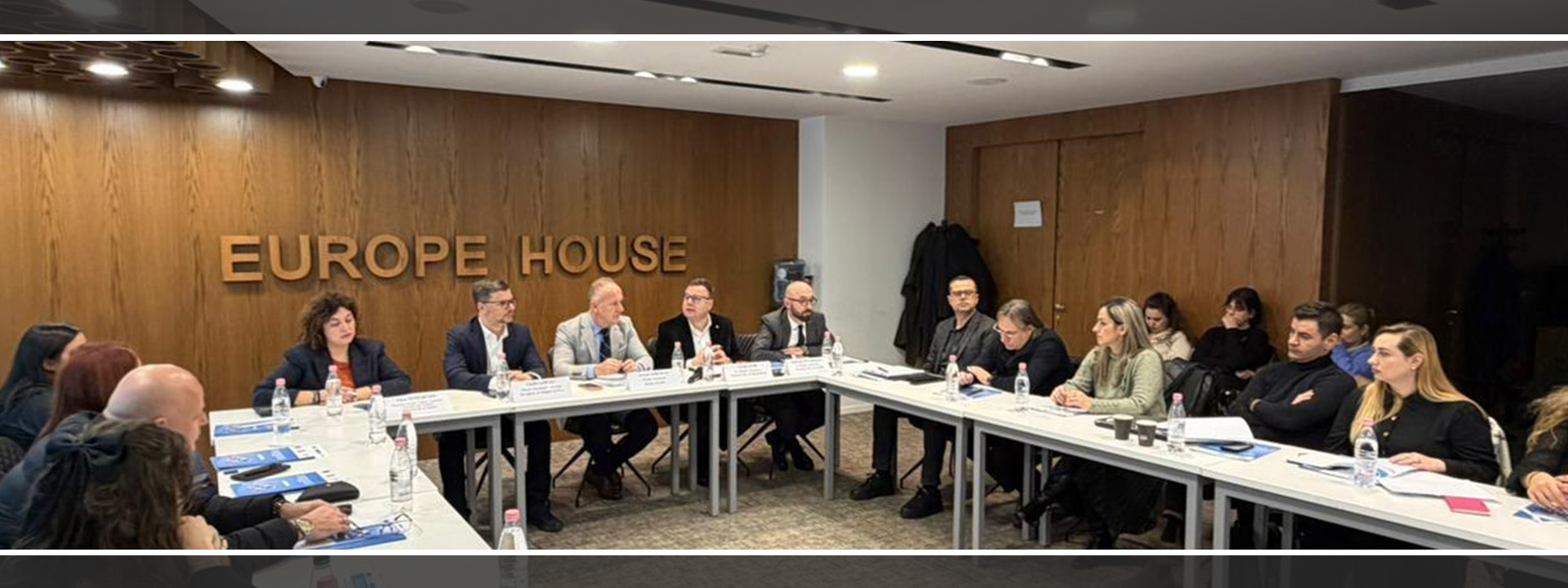
These issues, but not only them, were addressed in an activity that brought together representatives of public institutions, civil society and the media, where the findings from complaints collected through the National Green Line for Consumer Protection were presented.
According to the Executive Director of the ALERT Center, Granit Sokolaj, the main problem arising from complaints is the lack of communication between the consumer and the commercial operator.
"Many cases go directly to a complaint without first attempting to resolve the issue with the subject. Meanwhile, we have seen that in cases where communication does occur, there are often attempts at resolution," he says.
The data presented in the report shows that out of 71 cases handled, 52 complaints (73%) have been resolved, 12 cases (17%) remain unresolved, while 7 complaints (10%) are still in process. Although most cases are resolved, 1 in 4 complaints remains problematic, reflecting gaps in accountability and intervention mechanisms. Complaints have continued especially during the summer months, especially for food products, making this sector vulnerable to violations.
The Executive Director of the European Movement in Albania, Gledis Gjipali, praised the initiative's goal of consumer protection and the concrete contribution that the project makes to Albania's European integration process. At the policy level, the authorities recognize that the perception of food safety is as important as the control itself.
Deputy Minister of Agriculture and Rural Development, Fatmir Guri, stated that the current draft law that has been submitted for Public Consultation on food safety aims to create a more reliable system for citizens.
"For me, this is very important, as it will guarantee food safety at all steps and increase consumer confidence," he underlines.
Meanwhile, Deputy Minister of Economy and Innovation Enkelejd Musabelliu emphasized the shared responsibility for consumer empowerment: "It is up to all of us, especially civil society and the media, to raise consumer awareness of their rights."
The meeting aimed to create an open dialogue between public institutions, public society organizations and interested stakeholders, to identify concrete and sustainable solutions for consumers.
Food safety in Albania continues to be a process under construction, where transparency, communication and consumer awareness are still weak links. In a market aiming for European integration, consumer protection cannot remain just a political promise, but must be translated into real guarantees for every citizen.
The activity was held within the framework of the project "Green Line for Consumer Protection, Food Safety and Strengthening the Protection of Consumer Rights in Albania"./acqj.al