


Vivian Mancellari
The need for increased Services and capacities is an urgent necessity for citizens suffering from mental health disorders in Albania. Progress in building new capacities is partial and slow. Mental Health Action Plans are implemented in a limited manner, with public funding that is too low compared to the need. Experts assess that the vision of the institutions in the way these developments are planned and implemented is lacking.
Supported Homes, a bridge between patients and the community
For several years, Albania has taken steps towards community-based treatment for people with mental health disorders. To this end, the capacity of inpatient psychiatric Services has been reduced.
The path towards deinstitutionalization and the reduction of the number of psychiatric beds has been accompanied by the establishment and strengthening of community Services, such as Supported Homes, in order to better manage psychiatric patients in the health service.
There are 14 Supported Housing Units operating nationally, namely; 2 in Tirana, 1 in Kavaja, 2 in Elbasan, 2 in Korça, 4 in Shkodra and 3 in Vlora. Their total capacity is 160 and currently 142 residents are accommodated in these homes.
Supported Homes, which provide rehabilitation and rehabilitative Services for psychiatric patients, essentially belong to the post-hospital phase, before the patient's integration into the community and his/her return to the supervision of Community Mental Health Centers.
Residents who are accommodated and receive Services at Supported Homes are referred by the Inpatient Psychiatric Service/Psychiatric Hospitals.
After discharge from the hospital, patients need rehabilitation to regain some of the life skills they have lost not because of the diagnosis, but because of institutionalization. After treatment in Supported Homes, which are institutions with home-like conditions, and returning to their homes and families, they are referred to the QKSHM for ongoing treatment, and are followed by this center after discharge to the community.
The average estimated time to stay in Supported Housing varies among patients depending on the time it takes them to regain function and be ready for independent living in the community, but is usually 6-12 months.
The treatments offered at these centers are carried out by multidisciplinary teams, they are treatments with medications, psychological, nursing and social, specific and individual based on the diagnosis that the patients have for mental health problems.
According to the regulatory framework in force, Supported Housing refers to:
– chronic resident patients who no longer require hospital treatment, but have lost or impaired their ability to live in the community due to prolonged institutionalization;
and
– patients with chronic severe mental health disorders, who lack family care or social support and have a pronounced disability that does not allow them to live independently.
Treatment follow-up includes medication monitoring, individual and group therapy, and activities to improve life skills.
Service overloadOverload of Serviceseve
Despite efforts to improve the quality of inpatient health Services by reducing the number of beds in this service and increasing community Services, inpatient Services still cannot cope with the growing number of individuals with chronic mental health problems with appropriate quality and conditions.
In health institutions where specialized health Services are provided with beds, around 60% of the beds are currently used by resident chronic patients, who have been living and being treated as voluntary treatment patients at these structures for years.
58.6% of chronic resident patients have more than 10 years of stay in the hospital service. According to a report by the Supreme State Audit Office, published in 2024, this phenomenon is most pronounced in the psychiatric hospitals of Elbasan and Vlora where chronic resident patients are housed by these structures in the absence of alternative accommodation for them. According to this report, 37.5% of chronic resident patients are abandoned by their families.
From the field visits of the SAI audit team in Elbasan and Vlora, it was found that the Support Homes, instead of being transformed into a transitional, semi-residential institution, with the aim of rehabilitating and rehabilitating people with psychiatric diagnoses, have become an extension of hospitals that essentially provide residential Services, as they accommodate individuals for whom there is no longer any possibility of accommodation in other places (due to abandonment by the family, economic and social conditions, or due to advanced age).
According to the Healthcare Services Operator, Community Mental Health Centers also consider the lack of social residences for lonely and abandoned people as a main problem.
"According to the terms of reference of the Supported Homes, there is a period of stay, it is not a replacement of the hospital with the Supported Home. It is an intermediate institution that aims to rehabilitate and not to house the chronically ill," says psychiatrist Neli Demi.
All Supported Homes in the country primarily treat patients with chronic mental health problems who have been hospitalized for a long time.
Although the Supported Homes are not supposed to be permanent shelters for patients who previously lived in psychiatric hospitals, psychiatrist Demi evaluates this transition as positive: "Of course, they are better living conditions and this is very important, considering the extremely inhumane conditions in which these people have lived for years in psychiatric hospitals."
Limited implementation of Mental Health Action Plans
Despite this commitment to establish and strengthen health Services at all levels, in practice it has resulted that the Mental Health Action Plan 2013 – 2022 has had partial and limited implementation. According to the provisions of the action plan, 22 Supported Homes should have been operating throughout the country, while only 14 such have been established.
Even for the Mental Health Action Plan 2023–2026, which is in the process of implementation, implementation has been partial and limited until September 2024, mainly due to the lack of adequate funding and institutional prioritization. According to the report of the organization “Together for Life” on public spending on the health sector, financial resources have not been adapted to the increase in real needs.
"To make the mental health Services system functional and comprehensive, increased investment, improved intersectoral coordination, and political will to treat mental health as a national priority are urgently required," says Alma Lahe, an expert at TFL.
The failure to establish institutional infrastructure in support of specialized health Services with beds has increased the workload of these structures, especially in the case of the psychiatric hospitals of Elbasan and Vlora, where the problem of chronic resident patients is very current and tangible.
Increasing the number of homes would make it possible for existing capacities not to be completely transformed into shelters for chronic patients, but to be able to perform the rehabilitation and reintegration function foreseen in the terms of reference of Supported Homes.
There are no Services offered to minors in the currently functioning Supported Housing in our country. According to child and adolescent psychiatrist Elona Dashi, the presence of these Services would improve the quality of life of children and their families.
"Supported homes for children or special institutions to help children with mental health problems are an immediate need. In practice, we often see cases that need these limited Services," says Dashi.
Problems of existing Supportive Homes
According to information received from the Healthcare Services Operator, immediate infrastructural intervention is needed, as some of the Support Homes' buildings are depreciated.
The OSKSH also reports a lack of human resources, especially for staff specialized in psychosocial treatments, as problematic. The lack of regular training programs for staff of Supported Homes is another problem that needs to be addressed.
According to psychiatrist Neli Demi, the functioning of new community mental health institutions requires rigorous monitoring and continuous supervision. According to him, the implementation of the terms of reference of the institution and each professional in the rehabilitation institutions should be evaluated:
"A psychologist working in a psychiatric hospital does not have the same terms of reference as a psychologist working in a supported home, or as a psychologist working in a community mental health service," explains Demi.
"It's not enough to throw money at it and build beautiful buildings, and equip them very well, but what is done there, what happens there is the main thing, otherwise that money is thrown in the trash," Neli Demi further comments.
According to information received from the Healthcare Services Operator, there is no unified and comprehensive system for monitoring Supported Homes.
"Currently, there is no online system or database at the Supported Housing and the process of updating and maintaining records is physically administered by service staff," the OSKSH response states.
Supportive Homes Format; Albania Compared to EU Countries
Mental health professionals emphasize the importance of establishing and establishing Supportive Homes in well-considered strategic locations. Psychiatrist Neli Demi, who worked on the process of establishing Supportive Homes, says:
"We have insisted to the authorities that the Support Houses not be within the hospital territory, and preferably be within the city or on the green outskirts of the city," taking the case of Korça as an example.
In Korça, the Supported Home, “a beautiful villa with greenery,” is close to the Community Mental Health Center, but there is no hospital facility included in the enclosure. In the case of Vlora and Shkodra, the Supported Homes are in the vicinity of or within the enclosure of the hospital.
An important aspect of care for residents of Supported Housing are rehabilitative, educational and recreational activities within the housing facilities and outside them; in the community and other public or non-public community mental health centers.
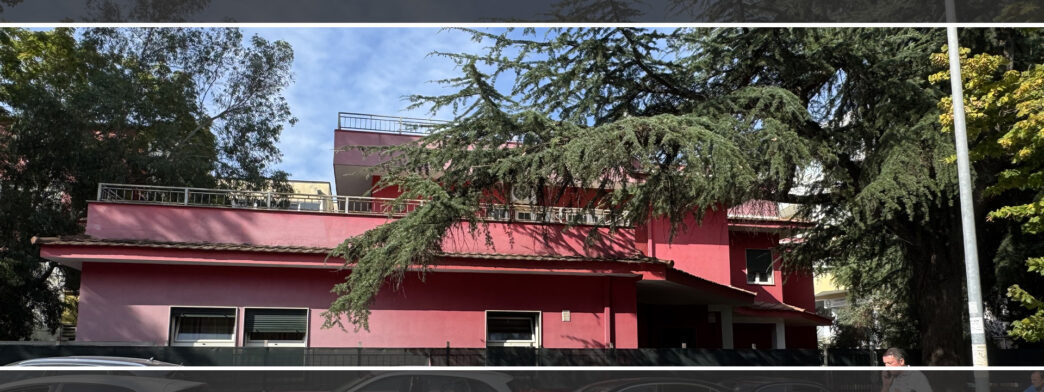
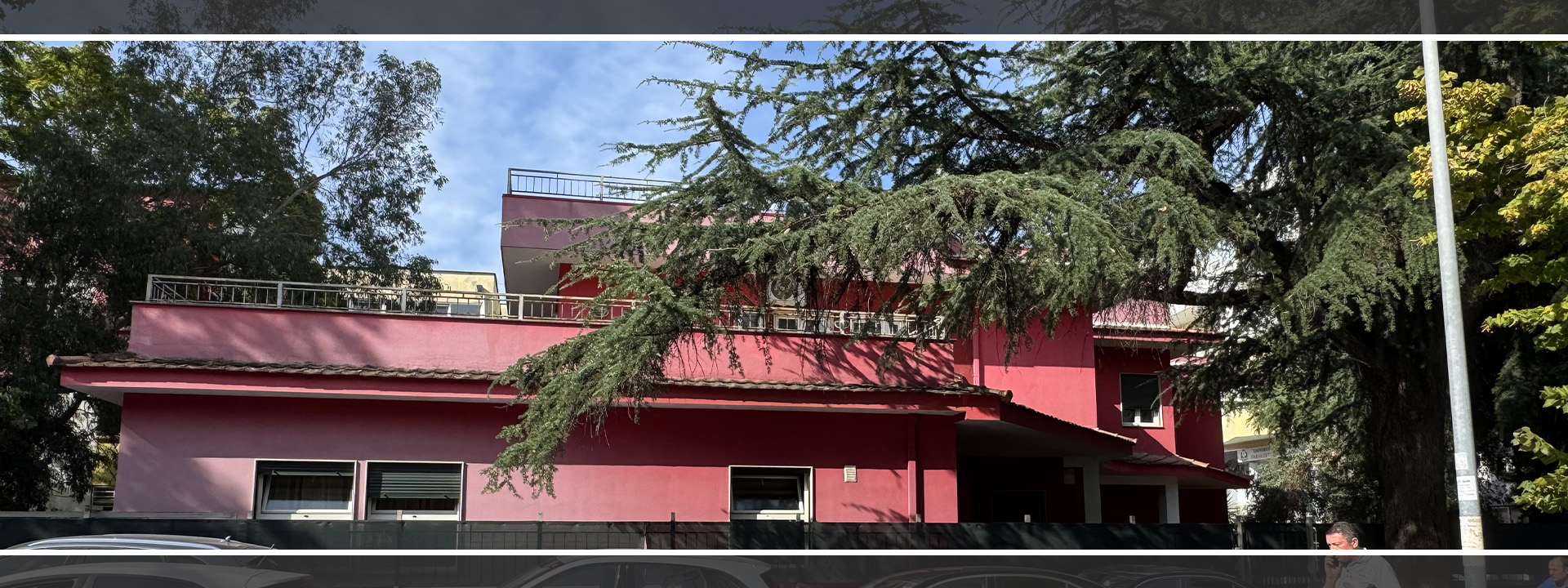
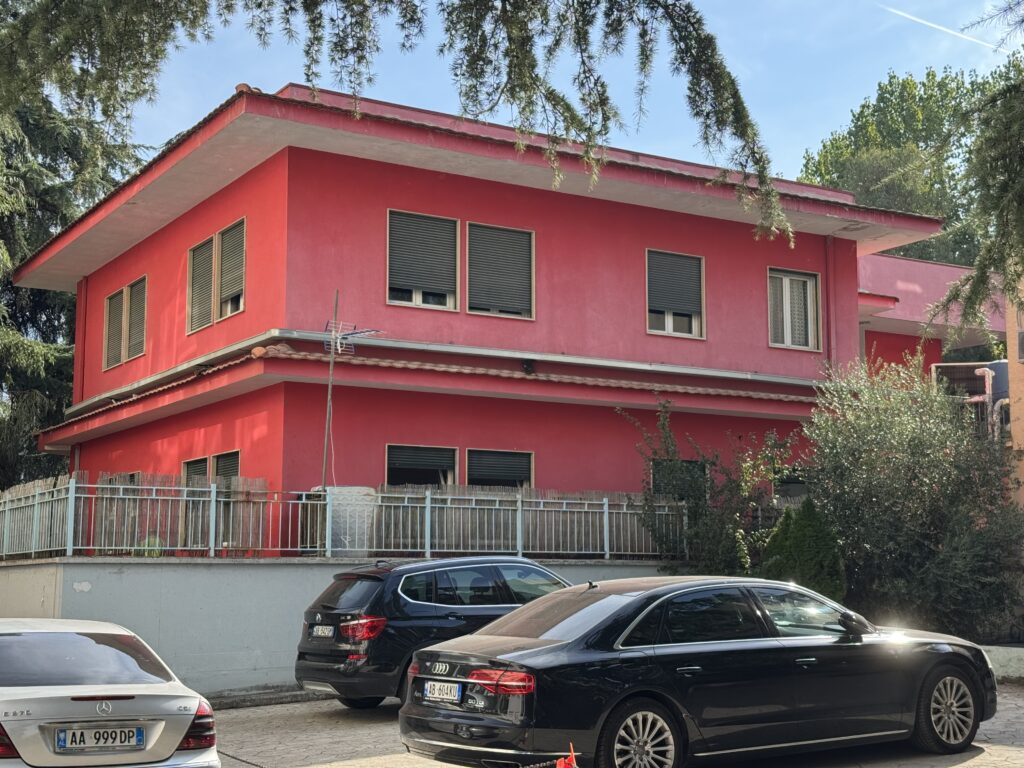
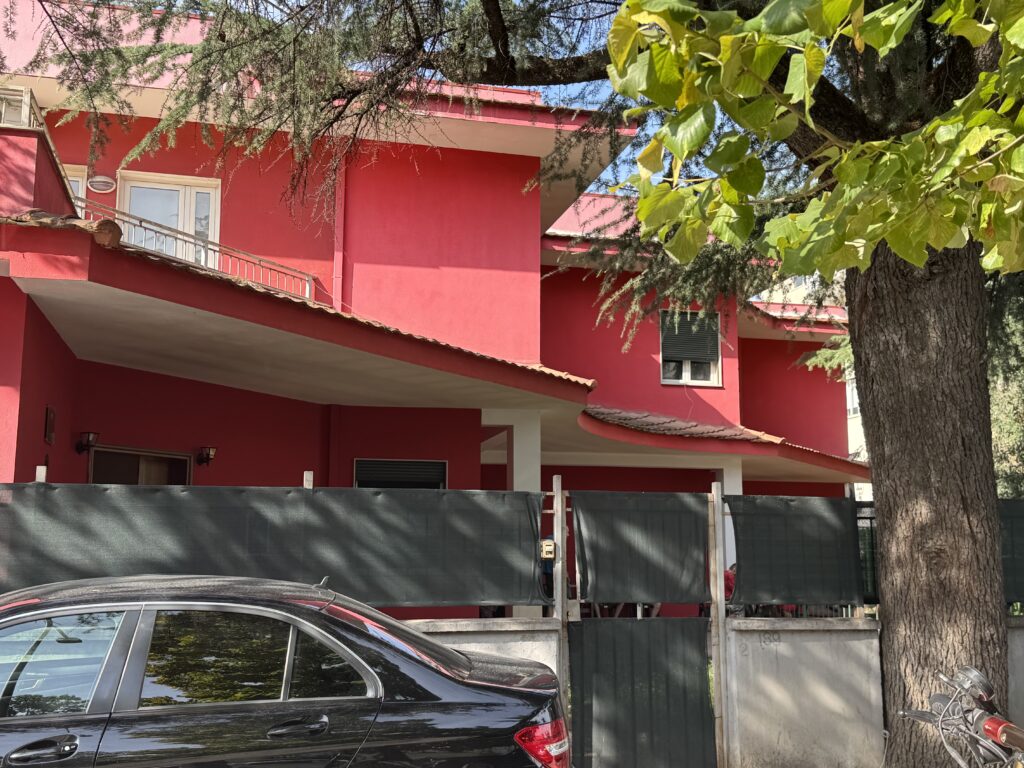
The Support House in Tirana, known as the “Red House”, is located within the perimeter of the QSUT. The center with two buildings that function as one, constitutes the 2 Support Houses of Tirana. They are an investment of the Sant'Egidio Community and are under the administration of the Tirana Local Health Care Unit.
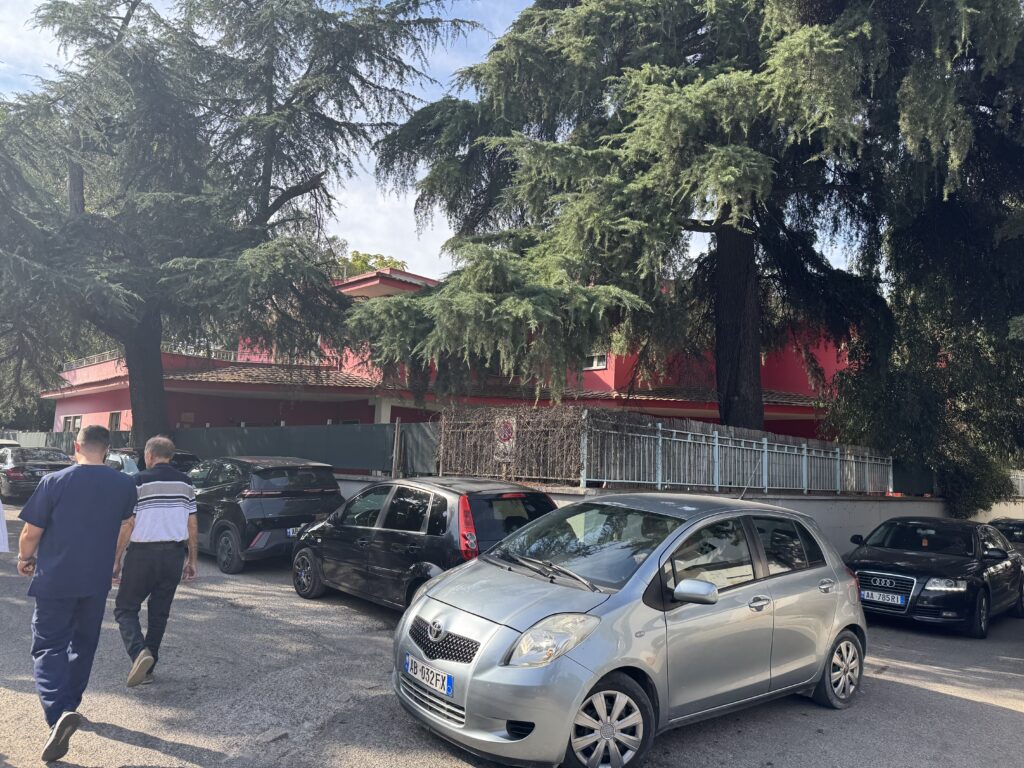
The center provides Services only to men and currently houses 20 patients in double rooms. 18 of these men have reportedly been there for more than a decade. They are diagnosed with schizophrenia and personality disorders and are unlikely to ever leave.
On a typical morning, the residents of this Support House are seen interacting in the outdoor areas; a space of just a few meters around the red building where they walk and circulate during the day.
With a visit to a center in Belgium, which offers similar Services, it is seen that these centers, built according to European models, are like night and day from those in the EU.
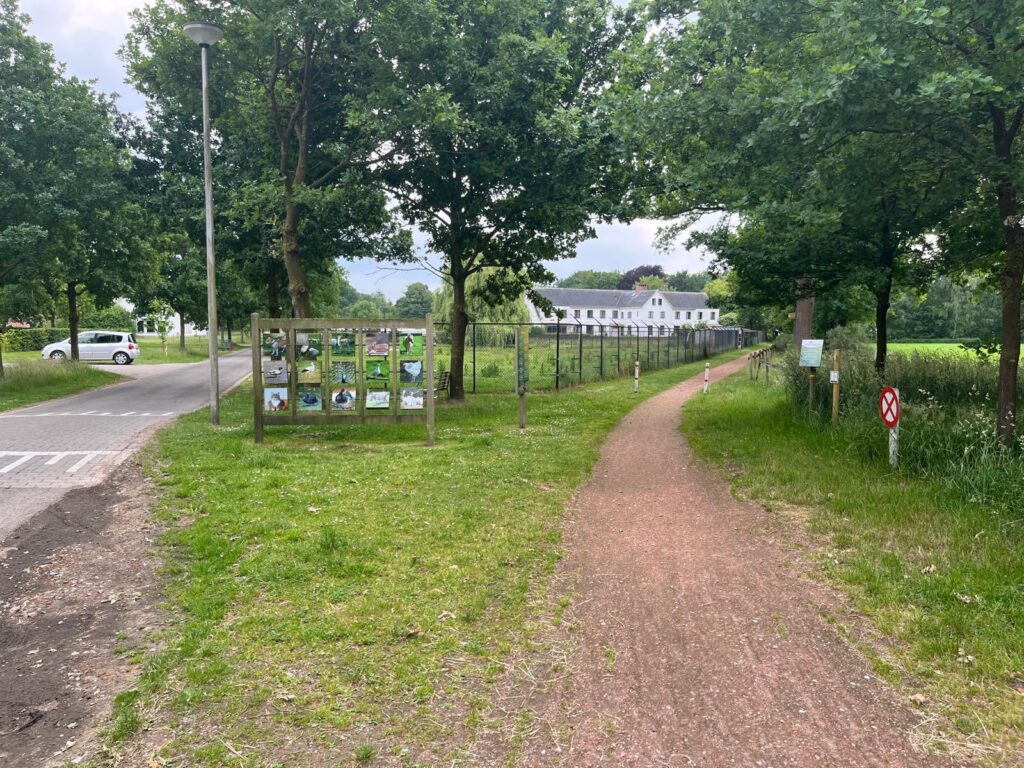
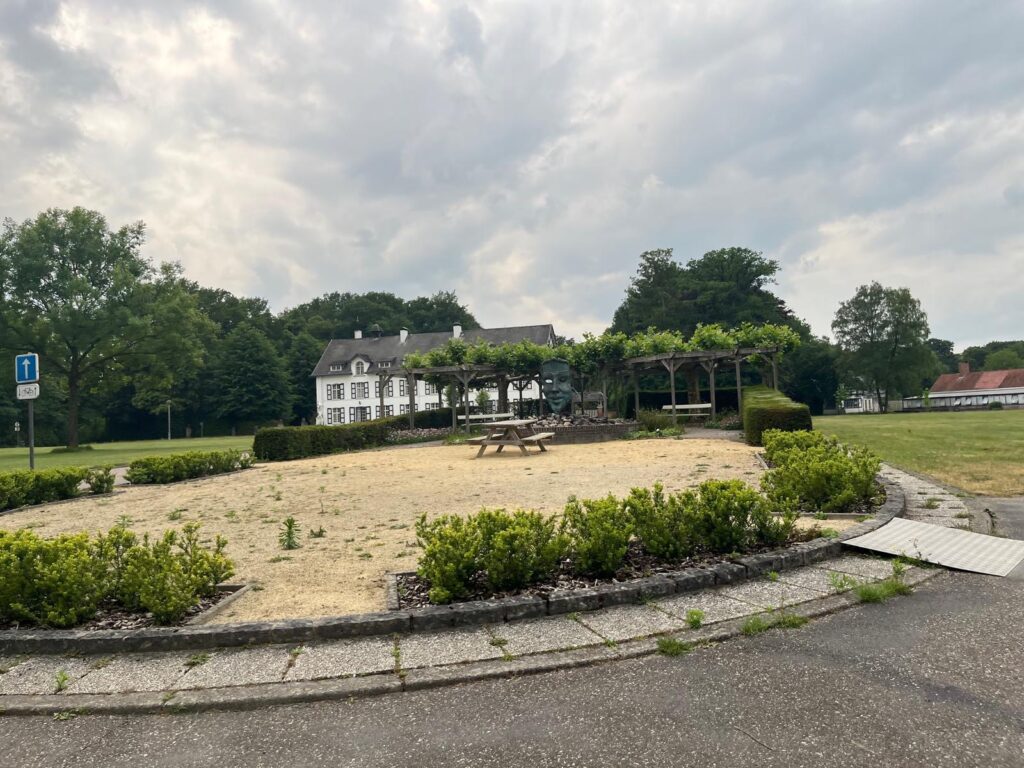
Klavier Emmaus is a care and support institution for people with disabilities, essentially, a kind of supportive home for them.
This institution, divided into cottages, is located in the middle of a large green space. The people accommodated there have the opportunity to walk freely accompanied by staff or family members during visits. Within this space there are also horses and slaughtered farm animals.
According to doctors, being in nature and greenery has proven to be a very efficient form of therapy in improving symptoms for patients with various mental health disorders.
"We definitely have to make the comparison relative, because we have to compare everything else with Brussels, not that it would be a crime if everything were done like that...", concludes psychiatrist Neli Demi.