


Author Arlis ALICAJ
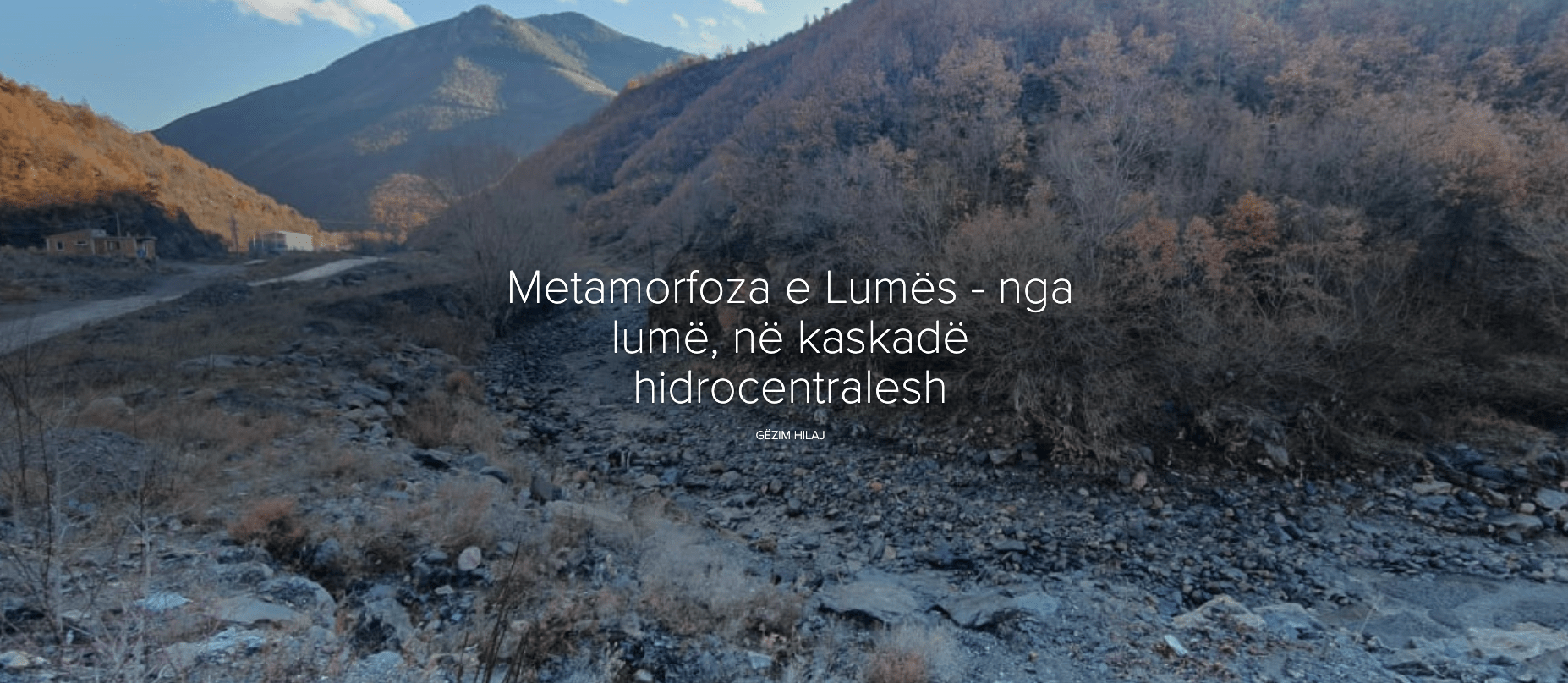
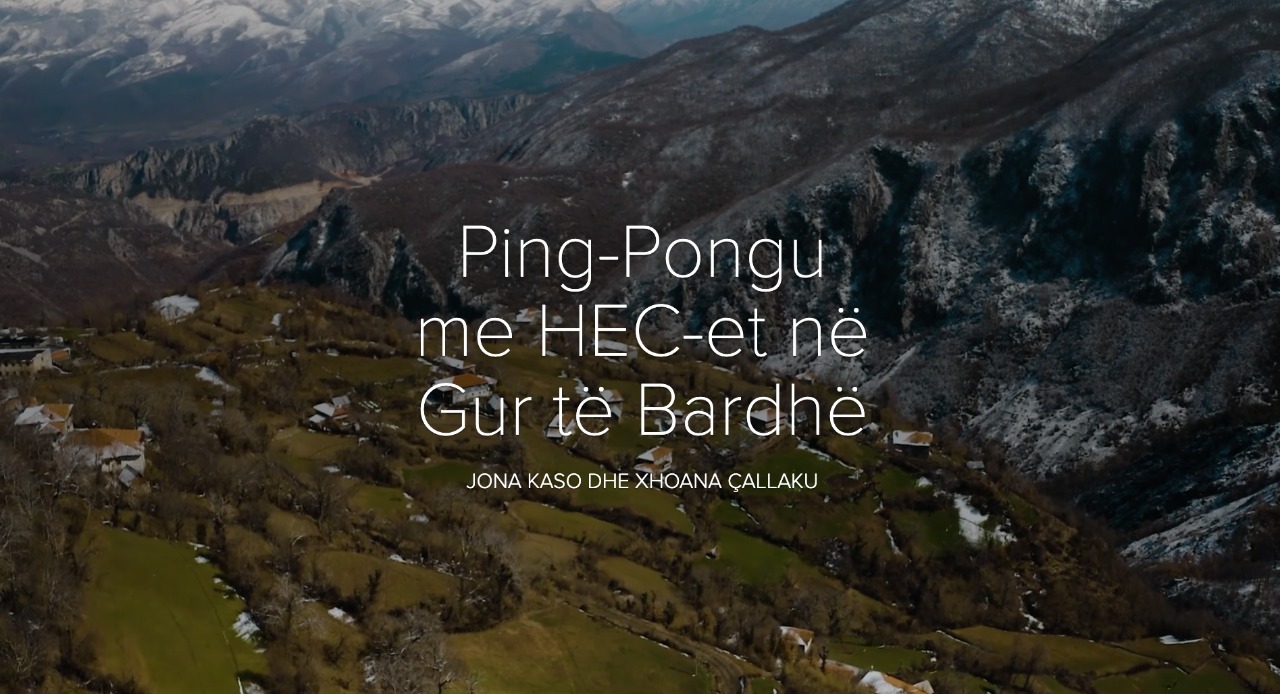
Togëzi is one of the villages where the first hydropower plant was built in Librazhd. Located between 2 HPPs, that of Rapunzel 1 (branch of Shkumbin river) and Rapunzel 2 (Kuturman, village), the consequences of taking water have created a vital, economic and environmental "desert". HPPs have transformed the lives of residents, as well as killed rural development. The construction of hydropower plants in the area of Librazhdi is destroying the ecosystem of the Shebenik-Jabllanice National Park. Moreover, they dried up a branch of the Shkumbin river, leaving the inhabitants of the surrounding villages without any source of clean water.
Suspicious stories, published in the media, about corrupt affairs in the granting of permits for hydropower plants in Librazhd, have changed the way of life. The lack of water in the villages of Librazhdi for the residents is a challenge that is not easily overcome. Hydroelectricity is supposed to be part of the solution for the environment, but it has become part of the problem in Albania. "Hydropower plants were created without proper environmental studies, and they were built in protected areas. Often they are owned by private interests and individuals with strong connections, who are earning a lot from them", says environmental expert Ahmet Mehmeti.
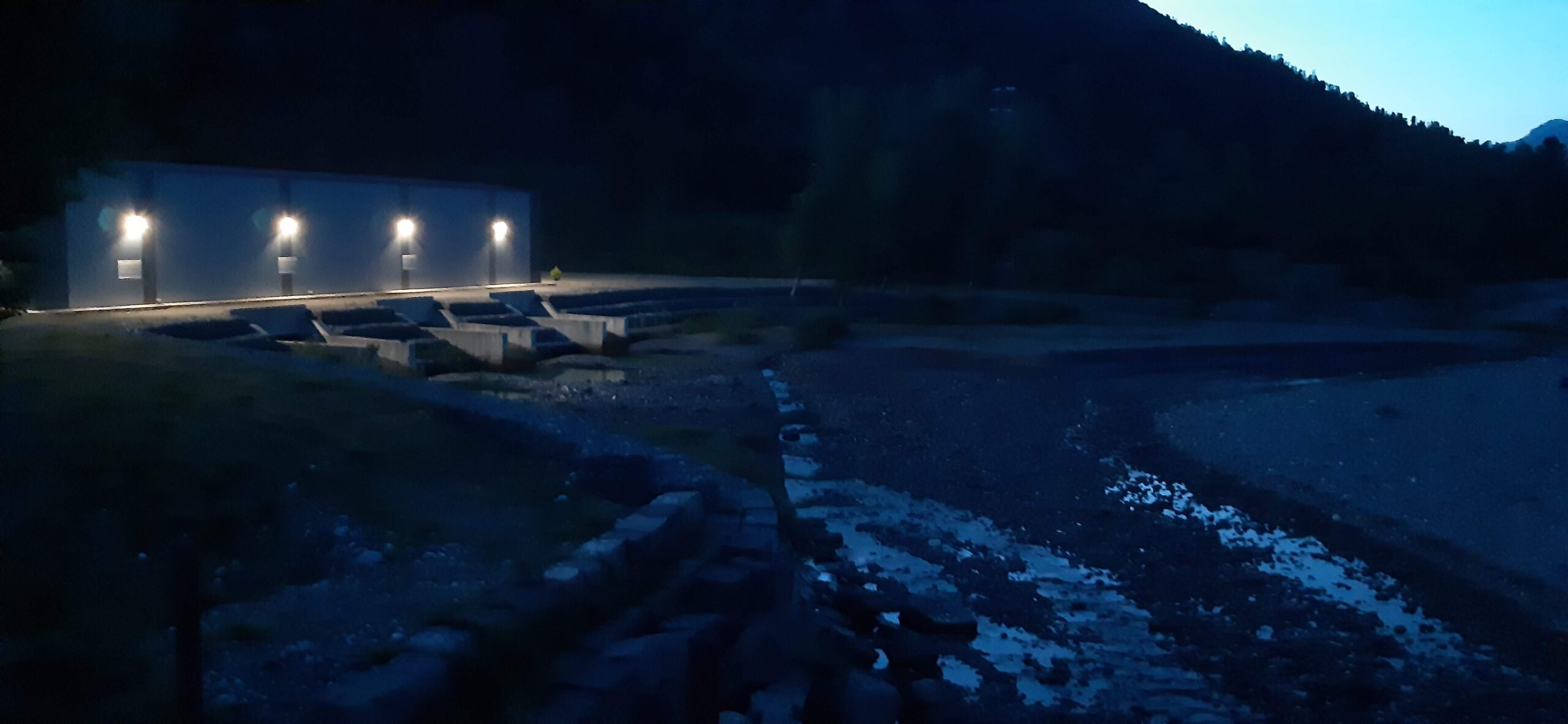
"They took away our water. When they want, they release it, when they want, they take it and put it back in the power plant. The Greek took it from us. The drinking water comes from the city. Shame on us who live in Togez! Historically, Togëzi has had abundant water. Now the Greek has taken it from us. To leave the village without water...! We have no water to irrigate the lands; even if we go out to clean outside the buildings, we can't clean or we will clean, we will wash and rinse with drinking water and then the salty bills come. We risk an epidemic from dirt", - says Lavdie Murraci, a resident of Togëz village. The hydropower plant, HEC, was built in Togëz Beat 3&4, as an investment i Albanian Autocephalous Orthodox Church in the energy sector. According to a press release of the Orthodox Church, this hydroelectric plant was built as an initiative and has been under the constant care of Archbishop Janullatos.
C&S Energy sh.pk., is the company created for the management of the concession contract form BOT no. 2854 rep., no. 383 col dated 11.09.2009. The shareholders are Ecovepra Ltd., and C&S Construction sh.pk. Ecovepra turns out to be owned by Ecological Energy sh.pk., and the latter owned by the Albanian Orthodox Autocephalous Church. The installed capacity is 9.9 MW and a projected output of 42.9 GWh. The company has built a dam with a height of 10 m over the Rrapun river with 4 gates and a volume of 60 thousand m³. The created lake collects water from the Qarrishta river, the Lunik stream and the Gurakuqi stream and takes it through the underground pipeline directly to the hydropower plant building. The building has 3 turbines Francis, 3.3 MW each and the company has stated that it has carried out 411.850 m³ of excavation and soil filling. But, according to one Report-study for cases of water conflicts, related to the development of hydropower in Albania, by the environmental organization EcoAlbania and Environmental Center in Albania, HEC Rapun 3&4 it is part of contested projects and ranked as very weak by CSO due to the environmental impact it has brought.
"Local actors have referred to a new phenomenon, also witnessed by the expert during field visits, the so-called "colonialization of the land". The concession companies, without any relevant documents or permits, have usurped a large area of territory and land around the components of the hydropower plant, such as the power plant, intake works and pipelines. - continues the report.


While Ermir Muça, also a resident of Togëz village, shows us his plot of stones and earth. "There is no water, there is nothing. Everything is dry here. We don't have water for irrigation, it has left our lands barren, as there are no irrigation canals. We cannot cultivate anything. We have no alfalfa for the cattle. There is no question of corn or wheat. It is very difficult. I don't work anymore, I used to do village work. Now we live with my mother's pension. I don't see my children's future here. They have taken away our perspective", adds Ermiri in a low voice.
"Winter problem, summer problem, that there is no water at all. We used to irrigate the canals, when the power station was not yet built, now the bulldozer has entered. We lost all those lands down there in the field. The government has made a lot of mistakes that have increased our poverty. We have nowhere to irrigate, neither the alfalfa nor the corn. They had to be irrigated when the crops needed water. We have all these years without working the land, oh mother's son! Gjynah, we are a village without a village!", - concludes, shrugging her shoulders Fiqirete Çota, who is irrigating a small plot in the garden of the house with drinking water from Librazhdi.

Meanwhile, as a result of the works at that time, when an army of workers and heavy machinery was working on the HEC construction infrastructure, the bridge that connects several neighborhoods of Togëz village with the road to Librazhd was damaged. Many residents complain and fear for the safety of their children's health, when they go to school or for themselves and their daily chores, while they say that there has been no adjustment by the company except for partial repairs.
"They have cracked our houses and damaged our bridge, as we fear when we pass by every day. Our houses were damaged by the mines thrown when they opened tunnels. Only a few village workers, who had conversations with the Greek supervisors, received money, from 100 to 300 thousand old lek. To the rest of us, they lied to us and did not give us money for the houses. We obliged, painted and repaired them ourselves. Every time summer comes, we as a village will go to the municipality and fight with the mayor about the water they put in our pipes. One comes, one does not come, one leaves a channel, one does not leave a channel, this is the biggest problem we have, water. They put him in the tunnel", - says the farmer of the area, Shyqyri Çota.

Albanian Center for Quality Journalism inquired at the Municipality of Librazhdi, where we were told over the phone that these permits are in conflict of powers and were granted before 2013, as well as that the control of the implementation of permits by HPPs is not the competence of the municipality, but of the National Inspectorate of Territory Protection, IKMT.
Environmental organizations: Construction of HPPs, without studying the future consequences
Environmental expert from Ecological Club, Elbasan, Ahmet Mehmeti, said that these are flagrant actions by people who do not know environmental laws and destroy the future of all Albania. "The economic consequences of these HPPs for the local community are irreversible.

It is about hydropower constructions, which primarily shows that it is clean energy and on the right track. So, hydropower plants are being built in countries that meet the conditions and have income. However, always, when a hydropower plant is built, the social, economic, cultural and traditional consequences of the community where it is being built must be taken into account. These HECs have not been consulted and the public has not been asked", - says Ahmeti.
Enxhi Albrahimi, Environmental engineer from Environmental Center for Studies and Applications, an environmental organization in Librazhd, adds that before there was talk of damage to flora and fauna, but now people's lives are being damaged, causing irreparable consequences.
While Leonard Alliu, environmental activist in Initiative for the Protection of the Shkumbin River, explains that although there are forums and lobbying activities for awareness, when it comes to making money, no one takes these awareness campaigns into account. "Many young people, students, want to leave these villages and never return, but the thing is that they have nowhere to go, as they feel as if they are betraying their traditions and cannot abandon their families". - said Leonardi.
In Librazhd there are a total of 130 contracts for HPP construction. If the contracts were implemented as written, two things would be certain: first, the environment would be preserved, and second, the residents would not want to leave the city.
In this article, we listed the reactions of civil society, the voice of experts, the lack of intervention by the authorities. But, my mind comes back to Artani, the 24-year-old from Marinaj, who had a passion for agriculture. He did not dream of becoming a part of Dream Team, he didn't even join any party, but he was looking for his future outside the village. "They took away the water that nature and God have given us. And without water you can't irrigate land or "water" dreams", - were his words.