


Ida Idmalaj
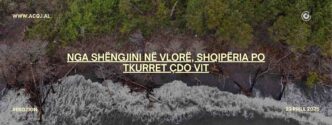
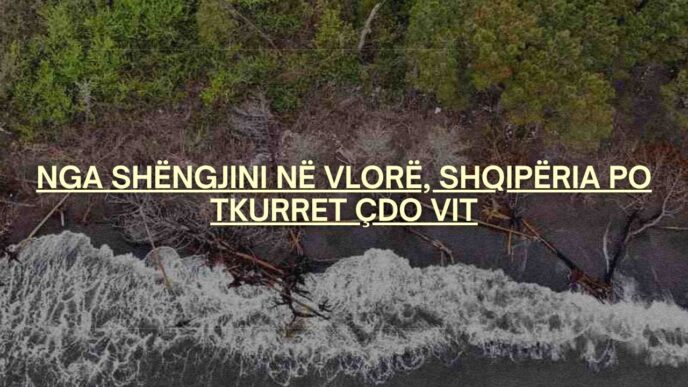
The pollution situation in Albania is becoming more worrying every year and this is clearly shown by the images coming from the coast of Velipoja, from Lake Koman and the Vjosa River. These areas, which are known for their beauty and for a high number of domestic and foreign visitors, are today facing a level of pollution that can no longer be ignored. The problem is not isolated or random, it is appearing especially after periods of heavy rainfall.
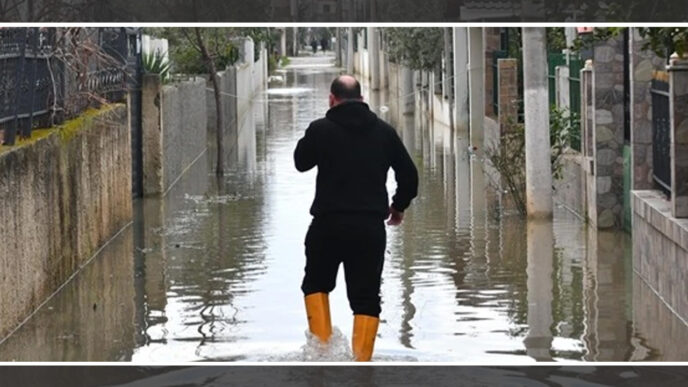
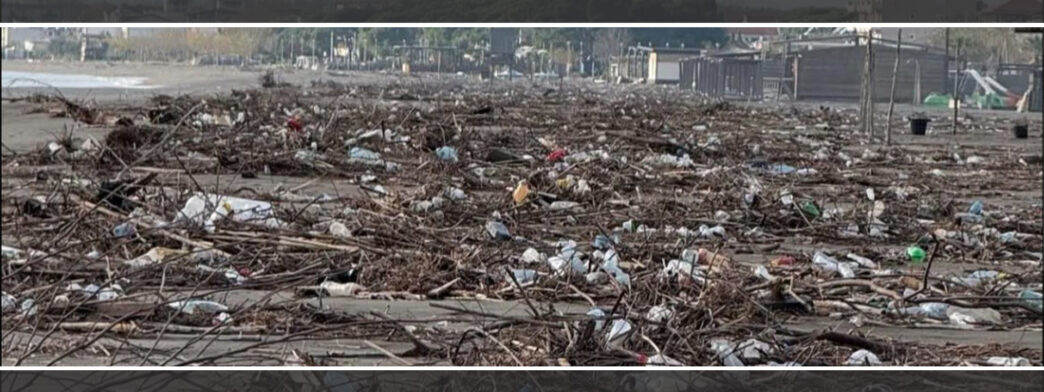
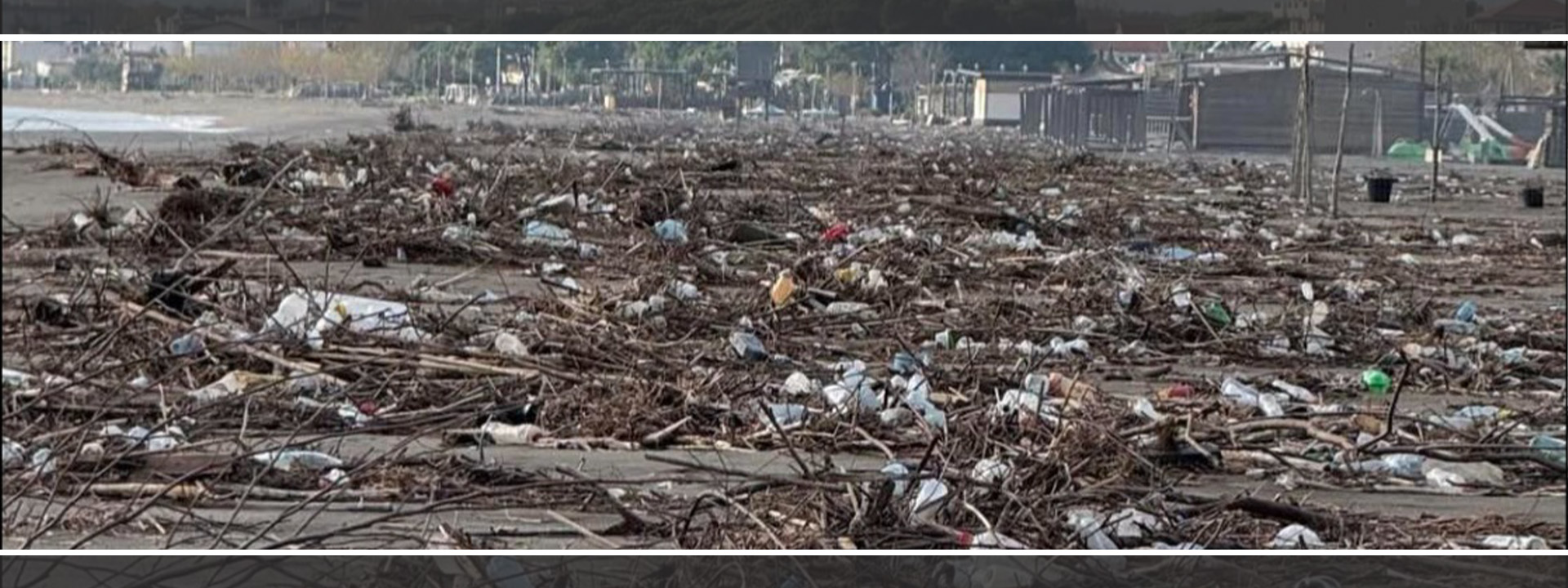
The numerous floods and rainfalls that have fallen in recent days, from the rivers and streams of the Shkodra region, have caused the entire coast of Velipoja, which is very popular during the summer, to be filled with plastic waste, which has created an environmental disaster. The sandy strip of the coast of Velipoja resembles a landfill of plastic waste. Everywhere there are plastic bottles, but also other waste, thrown back by the tides of the sea.
The same problem also occurs in the mountainous areas around Koman, where the lake is often covered in bags, bottles, and plastic materials that fall from the heights. Meanwhile, the Vjosa River is suffering from garbage dumped on its banks and a lack of environmental monitoring.
Expert and director of "Eko Mendje" in Shkodër, Mirsad Basha, describes this situation as a direct consequence of mismanagement and lack of monitoring of the area:
"This is a result of mismanagement that has occurred in various cities, especially in tourist areas. If there were more monitoring, controls, imposition of fines against abusive businesses and against family members who throw away waste without criteria, but also more regular monitoring by municipalities, we would not have such cases."
According to Basha, the pollution we see today has nothing to do with tourists: "It's our waste, which explodes during the rainy season, creating a very negative image for tourism and damaging the reputation of areas that are among the most beautiful in Albania."
Basha explains that the situation has become a massive phenomenon and that volunteer groups often intervene with clean-up actions, but the problems return very quickly because the root of the pollution remains the same. In mountainous areas, where cleaning is not carried out often, waste accumulates for years, until a strong current of water throws it all into lakes and rivers.
He remembers that decades ago the situation was not like this.
"There used to be more environmental monitoring, more checkpoints, and the leaders of environmental institutions themselves were more active in the field. Today, the control links have weakened and we are all seeing the consequences."
This situation is an urgent call for more active institutions, more responsible communities, and tougher policies against pollution. Because nature cannot protect itself, but reflects the way we treat it. /acqj.al