


Denada Jushi
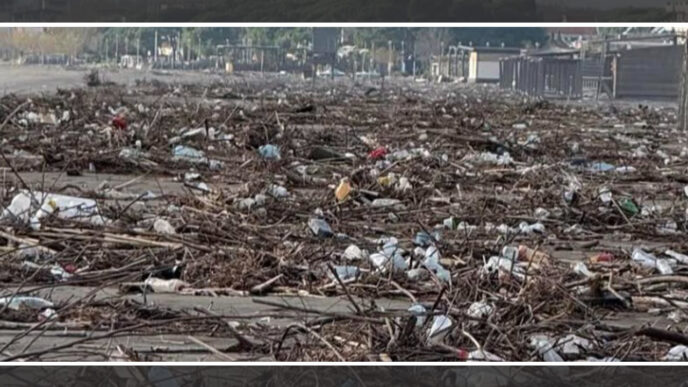
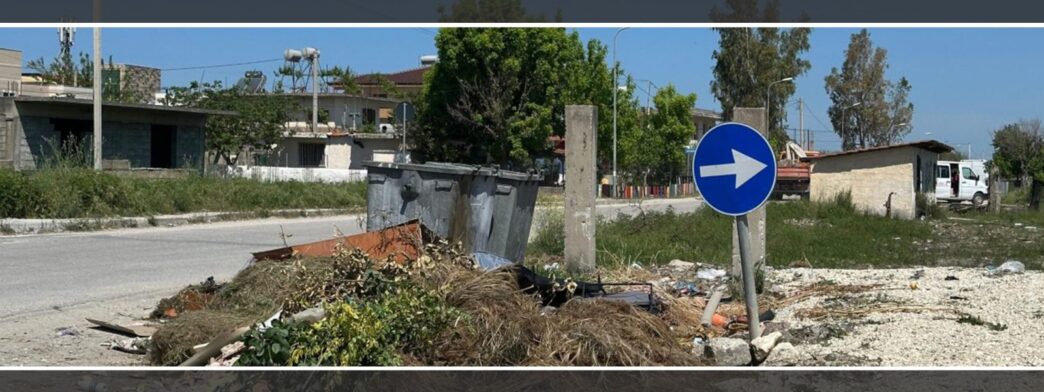
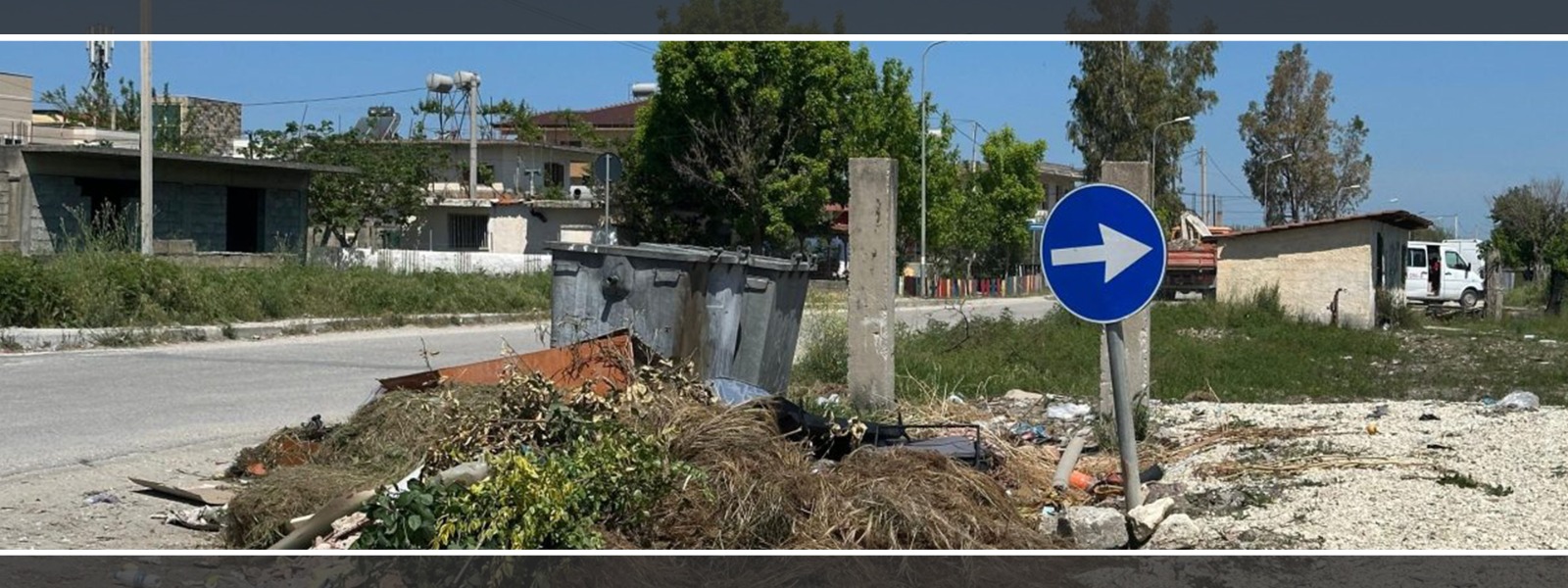
Every day, each of us throws something away or sees someone doing this on the street, in the river or at sea, it could be a plastic bottle, a bag, or other waste.
Without thinking long, everything we throw away returns to us in some form in our home, in the air we breathe or the water we drink.
Albania has taken many initiatives to eliminate plastic bags, which are considered a major health risk for every citizen.
In 2020, Blendi Klosi unveiled the "last bag" initiative in parliament, which would eliminate bags from use.
Of course, it couldn't be done.
The same proposal this time from Minister Kumbaro, which was also accompanied by the announcement that there would be heavy fines for those who did not respect the law.
This law provided for the prohibition of the production, import and trade of plastic carrier bags as well as oxo-degradable or oxo-biodegradable plastic carrier bags, with a thickness of the bag walls on each side of no less than 70 microns, with a carrying capacity of no less than 10 kilograms and with dimensions of no less than 50 cm in length and 24 cm in width.
There was a reaction at the time from Prime Minister Edi Rama, who said that there would be no concessions for plastic bag manufacturers.
Punitive measures, as usual in Albania, were imposed at the highest level, in this case going to the extreme.
The fine ranged from 500 thousand new lek, or 5 million old lek, to 1 million 500 thousand, or 15 million old lek. But even more severe measures were foreseen for violators. First of all, the seizure of all goods that will be found because they are considered illegal. If this is repeated, the activity license for violators will be revoked.
Despite all the fuss about this law, nothing changed.
According to figures, there are more than 25 businesses in the country that carry out the activity of producing bags and the total number they produce exceeds 5 million pieces per day.
According to Ornela Çuçi, an environmental expert, the state cannot function with inspectorates, actions and controls; these have shown in Albania that they do not yield results.
The right way is awareness.
The EU introduced the "Reduce, Reuse, Recycle for a Greener Albania" campaign a few days ago.
This campaign is related to Chapter 27 "Environment and Climate Change" that Albania has on its negotiating path.
Ambassador Gonzato said that
"It is important that Albanian society and citizens understand the transition from a linear to a circular, green economy."
The effects of climate change are visible.”
He considered this one of the most difficult and complex issues, but also costly.
The EU's progress report for 2025 highlights the numerous problems that Albania still faces in this regard.
The report states that Albania has “weak capacity for strategic planning, environmental investments and institutional coordination.” The report assesses that the quality of Environmental Impact Assessments (EIAs) is low, and that recommendations are rarely implemented or monitored.
The report's findings will only show improvement when we understand that the environment is our well-being.
Pollution determines the air we breathe, the water we drink, our health, and the cost of living. Only when we recycle, when we choose ecological products, and when we reduce waste, are we doing something concrete to improve our health./acqj.al