


Author: Denis Tahiri
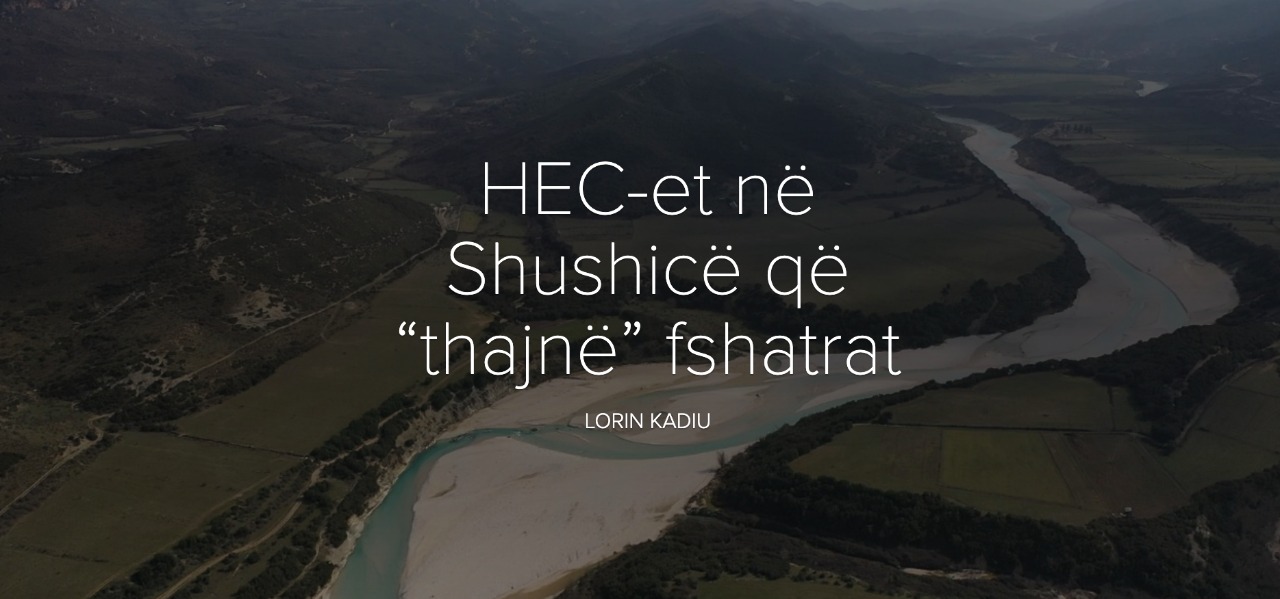
The small "Solar in Kuta" campaign goes alongside a long struggle by the local community and environmental activists to stop the construction of dams on the Vjo, Europe's last wild river.
At the end of May, a group of environmental organizations launched a symbolic campaign for the village of Kutë, which is in danger of disappearing due to the Albanian government's plans to build a small hydroelectric plant on the wild Vjosa river.
The campaign is named "Solar in Kutë" and goes alongside a long battle of environmental activists to save the Vjosa river from dams.
"The village of Kutë is more affected by the construction of HPPs, as it loses most of its agricultural land. The message is that it is not necessary to destroy the river for electricity, when there are other very good alternatives, such as the use of solar energy," says Besjana Guri, project coordinator from the Eco Albania organization.
The project aims to turn Kuta into the first village in Albania that produces its own electricity through solar panels. However, funding remains the biggest obstacle.
The environmental organization Eco Albania, in cooperation with the international organizations RiverWatch and EuroNatur, launched a fund-raising campaign for the realization of the project, initially with the installation of solar panels on the public buildings of the village of Kutë.
The "Solar in Kutë" campaign is still far from collecting the necessary financial value, but it has meanwhile gathered around itself its sympathizers. One of them, Iris Murataj, is worried that the construction of the hydropower plant in Vjosa would forever damage her native village, Kuta, and her childhood memories.
"I want my child to experience those hot summer days, to invite all her cousins over and get ready to go to the river. I can never forget it, it was a great joy for us as children when they told us 'get ready because today we are going to the river'… I would really like my children to experience something like that,” said the 23-year-old.
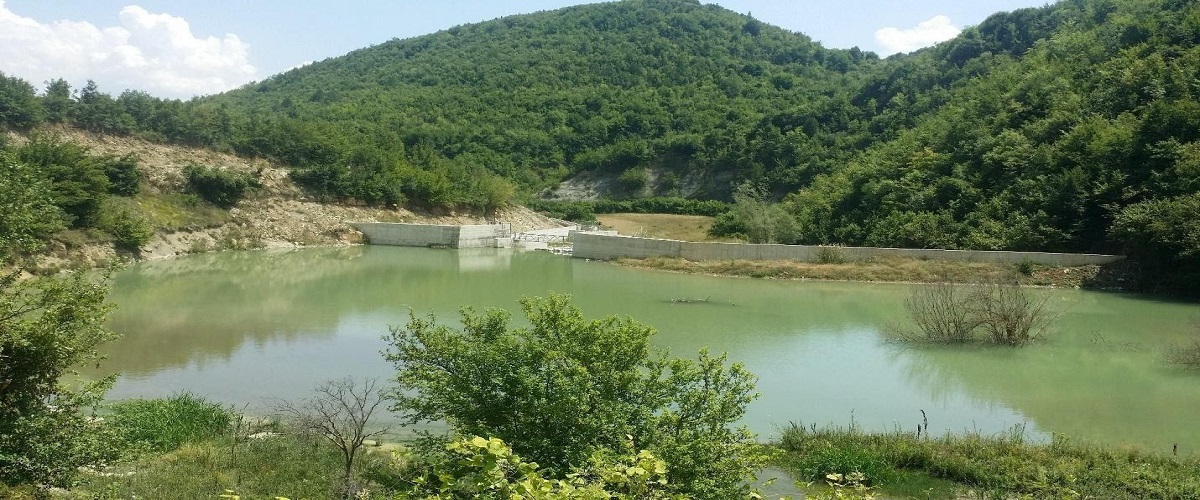
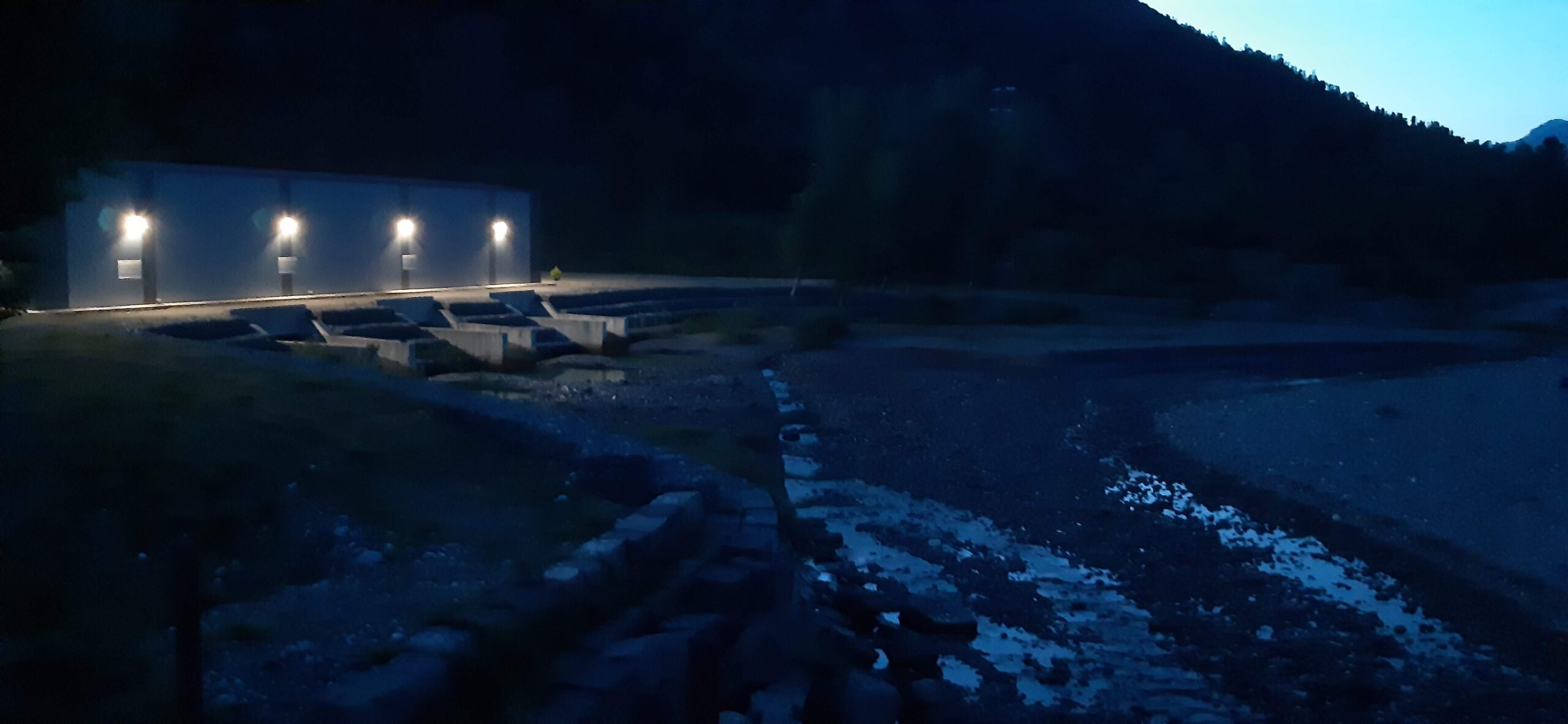
The village of Kutë in Mallakastër is already known for its long resistance against the construction of the Počem hydropower plant on the Vjosë river, which risks flooding about 2500 hectares of the village's land. Supported by environmental organizations inside and outside the country, the residents of Kuta have been involved in protests and a court battle to stop the construction of the HPP in Poçem.
Since 2002, dozens of concession contracts have been signed in Albania for the construction of nearly 500 small hydropower plants, and some of them have been opposed by environmental experts and local communities for their damage to the environment. Concessional permits have also been granted in protected areas, infringing on the country's natural monuments.

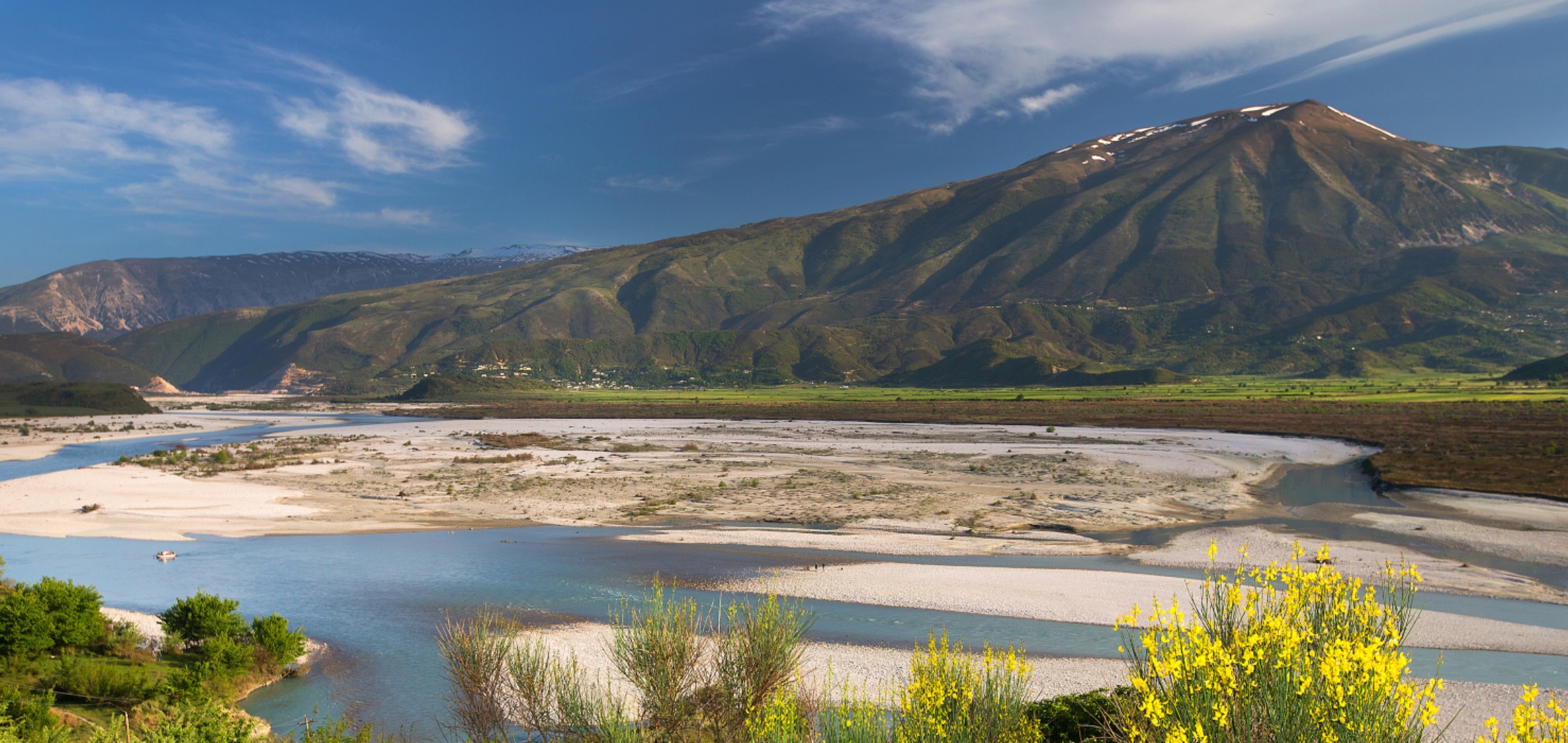
Eight large hydropower plants are planned to be built along the Vjosa river - which is also considered the "blue heart of Europe" by the Albanian government. The projects have been repeatedly opposed by international organizations and in the 2014 Progress Report, the European Commission asked the Albanian government to review the plans for the construction of HPPs in Vjosa "as they would damage one of the last intact natural ecosystems in Europe".
Environmental experts criticize the lack of complete studies for the construction of these hydropower plants, while predicting multiple damages to the environment if they are built.
Environmental activist, Lavdosh Ferruni says that HPPs along Vjosa are planned to be built without considering the effect they will have on the environment.
"There are no complete studies for the HPPs on Vjosa. Mainly, special data from studies done by the country's institutes before 90, as well as cursory observations by the concessionaires, were used. Even in the case of HEC Pocem, it was found by the Court that about 60% of the environmental impact study was plagiarized," said Ferruni.
He added that the teams of scientists have identified over 100 species of particular importance in Vjosa, two of which are unknown until now, which may be endangered.
Even Olsi Nika, the executive director of the organization EcoAlbania, warns that the construction of dams risks the extinction of many living things. He added that the negative impact will extend to the coastline and in particular to the Narta lagoon.
"Vjosa still today has a very large population of European eel and this is precisely because the flow is free. If you put a dam, it no longer allows the fish, in the case of trout, to go find water pools in the river with the right parameters to lay eggs and reproduce," says Nika.
"If you put a dam, you drastically reduce the population until we come to a situation where certain species disappear, we will have the disappearance of the eel, the trout and consequently also the creatures that live with the trout, the eel...," he added.
The effects are expected to be dramatic for the communities living in the villages along the Vjosa River, including the village of Kutë.
"There are a number of villages that, if the Pocem hydropower dam is built, would be forced to live inside their houses," says Nika. "Albania's history has also known the relocation of cities, but studies have been done on whether the burden of rent is worth it, in this case it is not," he concluded.

This article is published within the project "Facts and Environment" implemented by the Albanian Center for Quality Journalism and the Organization "Faktoje", within the project "Toward the Improvement of Labor Relations and Professionalism in the Albanian Media" supported by the European Union, implemented by the Institute Albanian Media and the International Federation of Journalists (IFJ). The sole responsibility for the content of this article lies with the author and under no circumstances can it be considered to reflect the position of the European Union.