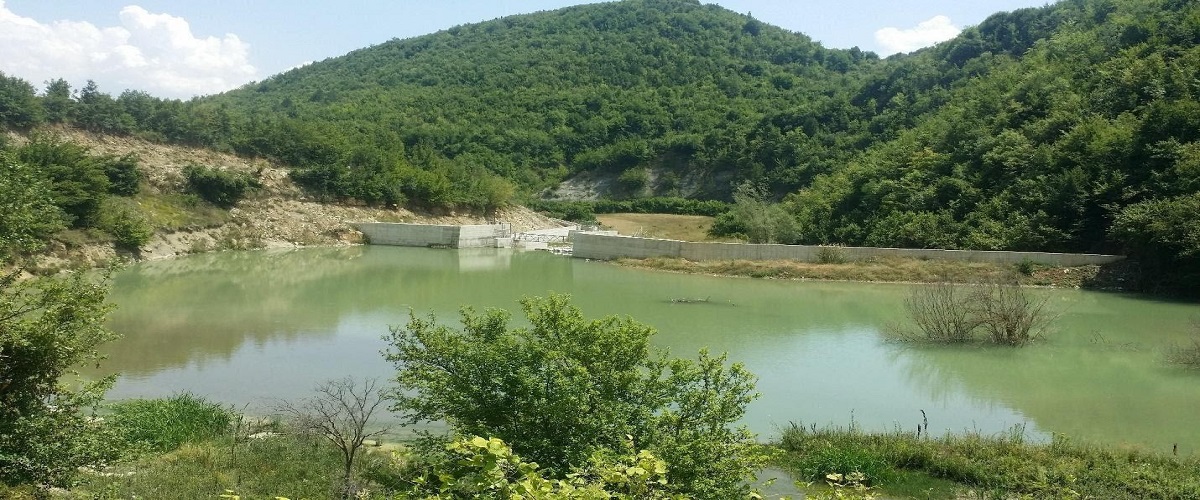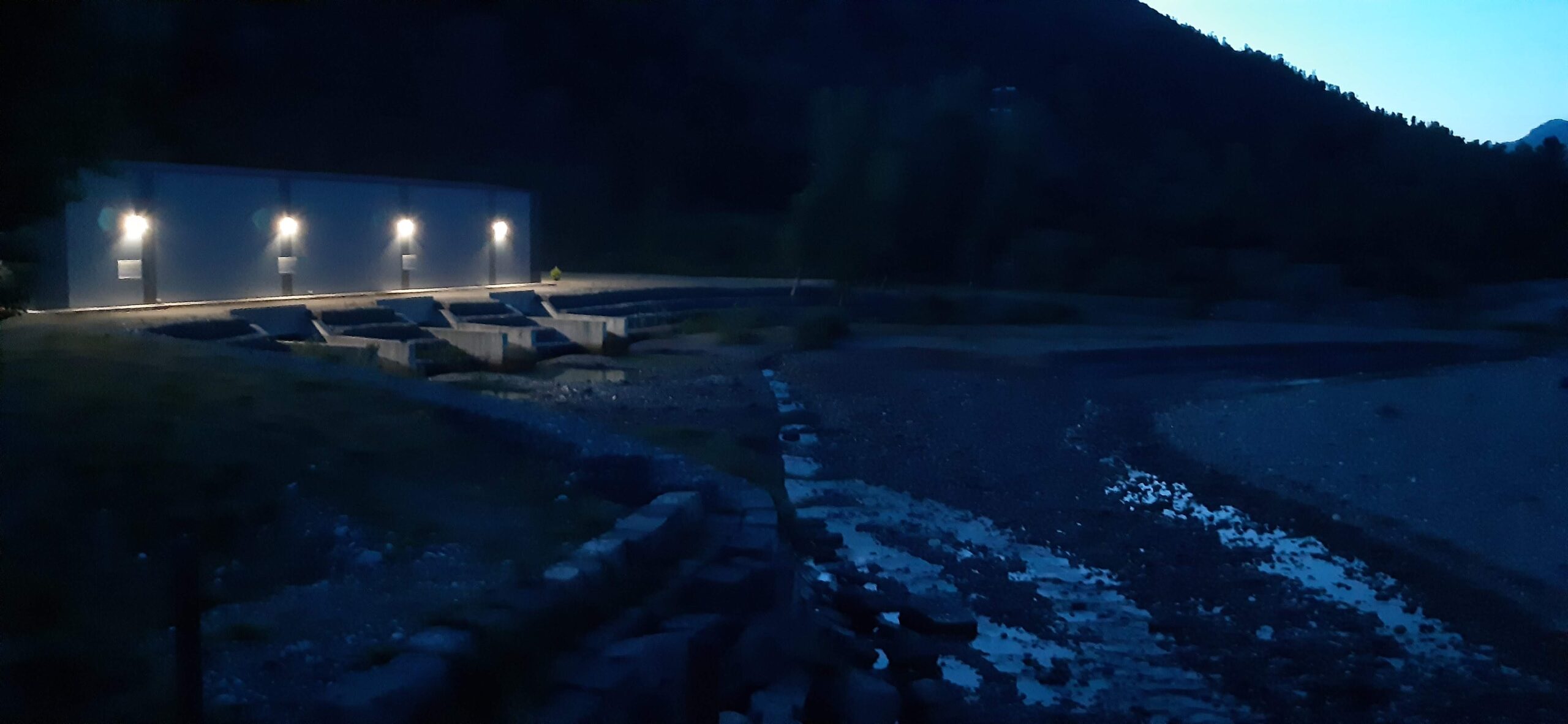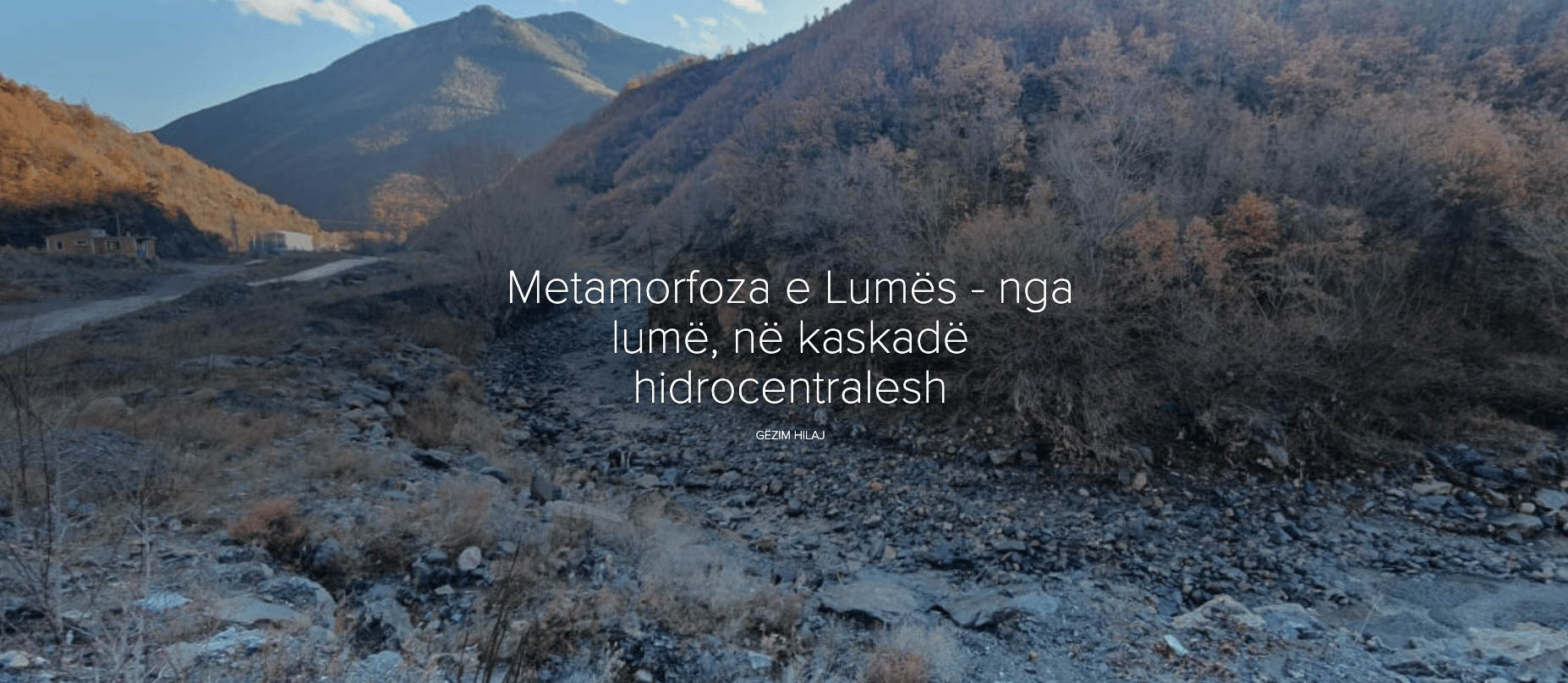



One of the most beautiful rivers in the Albanian Alps, the Cem River, is soon at risk of falling prey to 9 hydroelectric power plants, damaging not only tourism, but also the future of the inhabitants of these areas.
Author: Ardit Toca
Residents of the area of Tamara, Selca and Lëpusha, where the Cem river also passes, are united by their concern for the future of the river, but they seem resigned.
"What can we do? We've protested a little. No one here asks, it will be done as they say. If they take away our water, we're finished ," says a resident, the only one who agrees to speak, but off camera.
The projects for the construction of these HPPs, currently two of them in operation, have also brought the anger of the residents.
The Cem River is a typical alpine river and the fact that it is located in an area where nature is virgin has led to an increase in the number of visitors in recent years, with the improvement of the infrastructure.
This caused the residents of the area, mainly in Tamare and Lëpushë, to invest in the construction of guesthouses.
However, the residents seem powerless to do anything to prevent the flow of the Cem River from being disrupted by hydropower plants.

The only public protests are a few signs placed along the Cem River.
Cemi is a river that runs through Albania and Montenegro. The river originates in Kelmend of the Great Highlands in Albania. It flows in a general southwesterly direction through Kuč and Gruda for about 64.7 kilometers, before joining the Morača south of Podgorica, in Montenegro.
Environmental experts are worried, not only about the apathy, but also about the fact that the residents, who are affected by these constructions, have not been consulted.
For expert Abdulla Diku, the fact that no consultation has been made for the construction of these HPPs, either with the residents or even with the neighbors, is somewhat disturbing.
" You remember the construction of hydroelectric power plants on the Radika River, how many protests Albanians have made, while, when it comes to Montenegro, we do not implement these contracts. Such a situation brings environmental chaos to this beautiful Alpine river, but also brings incorrect relations with Montenegro.
It will take centuries to return the Cem river to what it was. "

According to the Ministry of Infrastructure and Energy, six hydroelectric power plants are planned to be built on this river (two of them are already under construction ), but, according to the National Human Resources Agency, there are 9 hydroelectric power plants that will be built.
These projects have also angered those who have used river tourism in Montenegro.
One of the most visited destinations in Montenegro is Kuce Rakica , also known as Niagara Falls.
Along this waterfall, where the Cem river passes, resorts have been built. The owners of a restaurant say that, "the construction of hydropower plants in Cem will damage this natural beauty and therefore the number of tourists will also decrease".
Tourist agencies in Albania are also concerned about this. There are dozens of tourist agencies that plan visits to Montenegro almost every weekend, where there is also a stop at this waterfall in their program.

Cem River – Part of Montenegro
The stop in Montenegro was in Tuz, near Niagara Falls , where for some of the residents we interviewed, the construction of these hydroelectric power plants was beneficial to the citizens. For them, this means: more energy sources and lower energy prices.
"I think the construction of hydroelectric power plants is positive, because this way we have more energy sources, and we also buy it cheaper," says a resident.
But environmentalists do not share the same opinion. Environmentalists have protested, opposing these projects, which according to them damage nature and destroy rivers. For them, the case of the Cem River has highlighted the fact that governments do not negotiate with each other when it comes to natural resources.
The lack of consultation between the two governments is also confirmed by the Montenegrin environmentalist,
Alaksandar Perovic, from Eco-Ozon.
"The Cijevna case has highlighted everything that was practice in the past. The Montenegrin government cooperates with its neighbors only when it comes to trade relations, but when it comes to nature, this communication is not at all at the right level. The ESPOO Convention, regarding transboundary environmental impacts, obliges all states to respect it. This means that, when a structure is built in watercourses of international importance, such as the Cem river, consultation between neighbors is needed. It is clear that the government of Albania, as well as that of Montenegro, have implemented small hydropower projects without consulting their neighbors."
According to environmentalists, the damages are great and irreparable, not only in the species that will disappear, but will also affect the quality of life of the settlements along the Cem River. Pipelining means less water for farmland.
"The Cem River is partially protected as a natural monument," says Perovic, which means a proper management plan, as well as an assessment of the risk of further destruction. The fact that there is no plan for the protection of Cijevna shows how "concerned" our government is about the destruction of the rivers that is happening inside Montenegro, as well as what is currently taking place in the territory of Albania."

The Ministry of Infrastructure and the Water Resources Management Agency in Albania confirms that "in the Cem River basin, 9 hydropower plants are planned to be developed under concession or in implementation of VKM 822, of which 2 are under construction and 7 others are in the stages of obtaining the relevant permits."
Meanwhile, regarding consultations between the two governments, AMBU refers to a framework agreement, "On mutual relations in the management of transboundary water resources, approved by Council of Ministers No. 745, dated 19.12.2018"
Not all permits granted for the construction of hydropower plants in Albania for nearly a decade have been executed.
According to Rodion Gjokë, an environmental engineer, this has more to do with the economic impossibility of the operators or the pressure of the residents, who have been denied access to water, than with the concern for the impact on the environment.
"Today we are in a situation where Valbona, the Cem river, the Fan river and many, many others are being piped as if they were private property. We are in conditions where the Constitution is being violated, not just the laws that protect the environment or public health", says Gjoka.
The strategy to build an “energy superpower”, based on the construction of 350 small and medium-sized hydroelectric power plant concessions, is in practice being opposed not only by environmentalists, but also by residents of areas affected by the displacement of water from the natural bed into pipes. Their future is being irreversibly compromised,” he concludes.