


Bleona Zela
The 2019 earthquake in Albania resulted in major changes in the lives of many residents of rural areas. The earthquake caused great material damage, but it also changed the way of life of the villagers, who made a living from the income they provided in their agricultural lands, with the government's reconstruction plan, a part of the residents were forced to leave the only source of livelihood, to shelter in palaces or private houses.
This phenomenon is best shown by Mrs. Lule, who tells about the difficulties she now has to face after she left her private house to move to an apartment that benefited from the reconstruction program.
" I have land in the village, about 20 minutes away, and I always need someone to send me to pick me up. I can't walk all that way, but I can't. The vegetables and fruits I've planted need a person there," she says.
The 67-year-old resident says that she has had no opportunities for education and her whole life has been dedicated to agriculture, where she and her husband managed to secure their income through agriculture. But they were forced to move to an apartment, abandoning their house and agricultural land with an area of 3 dynym.
"I myself am 67 and my husband is 71, we don't have the strength to go back and forth several times a day, except for some money that I earned after I left, I sold them and once or twice a week, I spent time with them," says Mrs. Lule.
She also points to the lack of infrastructure in the new apartment, where, according to Lula, they found some of the equipment unfinished and they had to invest on their own, while now they also have problems with water, which is on a reduced schedule, and during the day there is often none.
"They put us in the apartment without it being properly arranged, we added some things with our own money. We have water on a schedule, usually around 10-11 in the morning we have water and at that time I have to do all the work, as well as fill some reserve water cans to have during the day. We often have conflicts with neighbors, since those who have taken advantage of private houses also have to water their gardens or vegetables, causing us in the buildings to have no water. As you can see, we are keeping tanks outside to supply ourselves with water, in the summer the situation is even worse," she concludes.
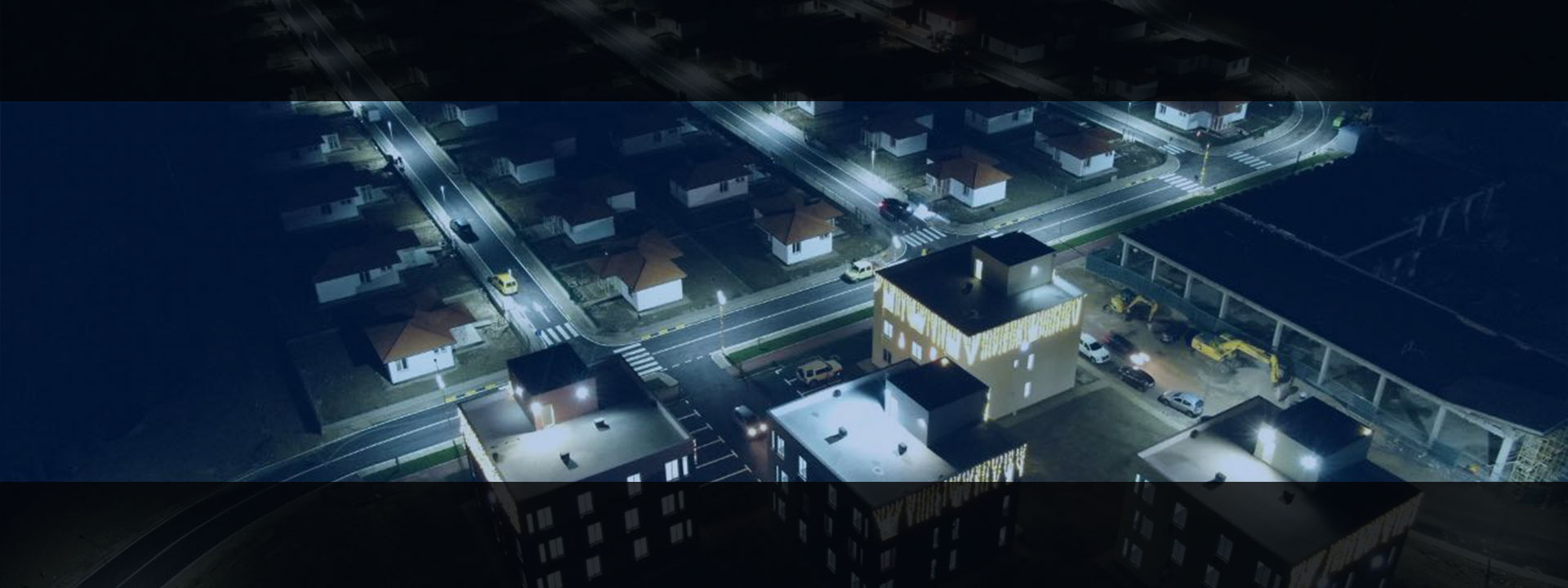
From the requests for information addressed to the different municipalities in the area of Vopra, Fushë-Kruja and Laçi, it results that in the area of the Municipality of Vorë, 619 private houses and 404 apartments were built, while 101 appliances were built in the village of Marikaj. While in the Municipality of Fushë-Kruje, 217 apartments were built, of which 95 apartments and 124 private apartments. This also applies to the village of Bubqi, where 235 individual houses and 45 apartments were built.
As part of the post-earthquake reconstruction project, the government undertook a broad campaign to build new housing in various areas of northern Albania, starting from Tirana to Kurbin. In the government's reconstruction plan for the Vora and Fushë Krujë areas, two companies won the tender for the construction of new buildings or houses. In the Vora Municipality area, the company Salillari Sh.PK won the tender for a value of six hundred and nine million lek excluding VAT. While in the Fushë Krujë area, the company “ERSI/M” sh.pk was tendered by the Albanian government for a value of seven hundred and fifty-three million lek excluding VAT.
The reconstruction started on time, and most of the constructions are almost finished, except for many basic elements such as lighting, elevators, common doors or connecting roads, still unfinished. However, the situation that is seen as more problematic is the construction of housing in the city centers, as a way of "saving" for the government against the construction of individual houses where they were damaged, thus causing citizens to leave their private houses and agricultural lands where and ensured their livelihood, due to the distance or the lack of opportunities or transport to keep these agricultural lands active again. For some of the villagers this has become quite disturbing.
Fatmira Karaj, a resident of the Bubqi area, is one of the beneficiaries of the reconstructed houses of the reconstruction program, who had to move her private house together with the agricultural lands where she provided the income to move to the new buildings of the earthquake. .
She says that she has spent all her life, since her childhood, taking care of gardening, and the lands she had around her private residence, she kept chickens, had lands planted with agricultural farts, as well as a garden with vegetables and orchards. diverse.
She often secured her income from the sales of these products, but she also had a part for her own use. After the demolition of the private house, she was forced to abandon the chickens she had, this is because they require care several times a day, while today she keeps only some of the plants in the yard, which are mostly resistant.
She has to go 2-3 times a week to take care of her orchard, and for that she also needs a means of transport to go to her former apartment. Her request was to build or renovate the house in that area, so that she would not lose the agricultural products, but her request fell on deaf ears. Moving to the apartment for her is like an isolation from the world where she had built her life, she says.
In addition to this problem, although the new buildings or apartments were inaugurated by the government and were made ready for the residents, the situation does not look like this, there is still a lack of infrastructure, as in the case of the Bubqi area, which is facing a lack of water, or the centers still not built and not used by the residents.
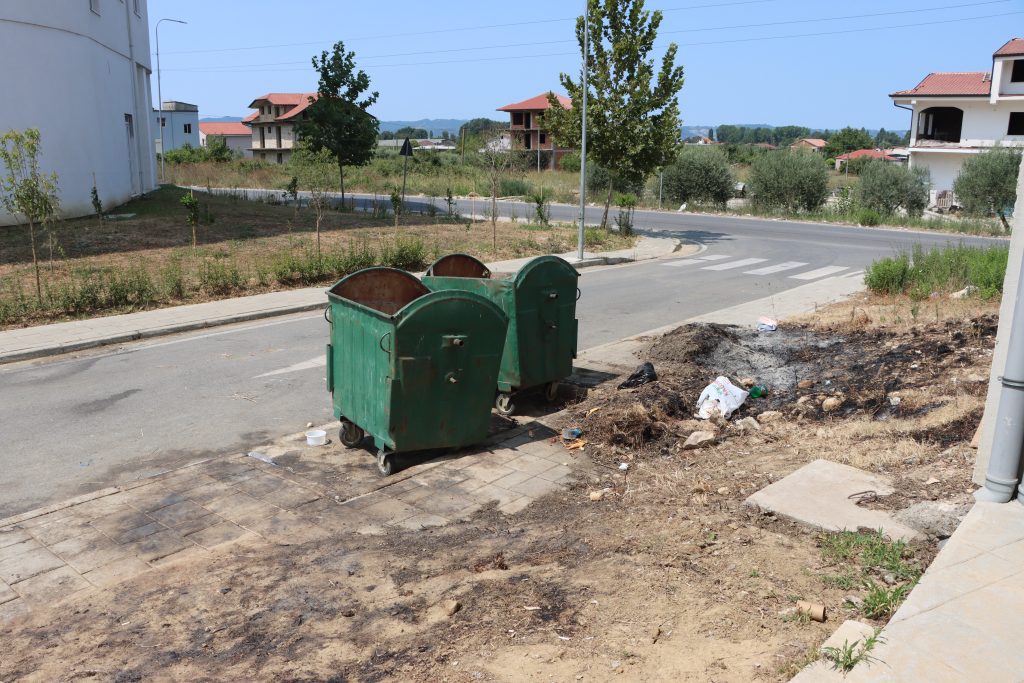
What is seen is the poor quality of the construction, and it is also noticed in the center of Vora, where the new buildings have been built and some of the residents have already taken shelter, not yet completed, as well as the surrounding area is seen abandoned and filled with garbage.
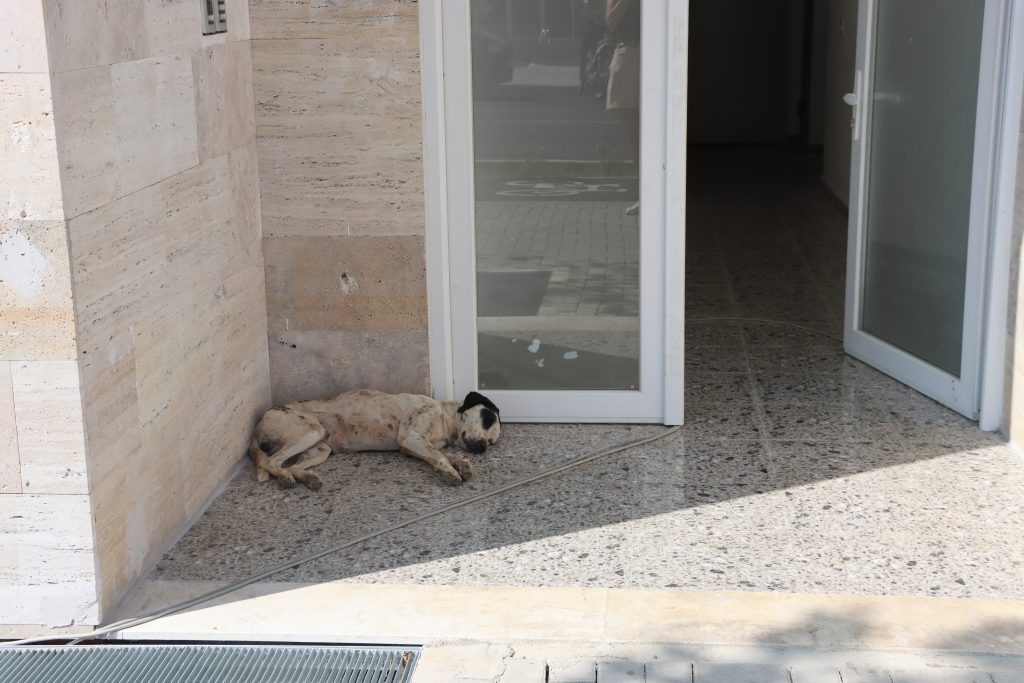

In the Vora area, 404 individuals benefited from new houses or apartments, while in the Fushë-Kruja area, 128 residents benefited.
One of them is Jumal, 67 years old, who lived alone in his house, where he had a yard with an area of 300m2, which he planted with various vegetables and fruits, which also provided him with some money. to meet his needs.
He desperately tells us that in addition to his emotional state from the memories of that house, his economic situation has also become difficult.
"What can I tell you, that was my parents' house, I grew up there, and the children I have now outside, normally have nowhere to stay in this apartment. I no longer have the strength to go to my old house to take care of the land, now my house is almost 7 km away, sometimes I go by bus or find someone who has the way there, but it's still tiring," he confesses.

In the area of Fushë-Kruja, another problem is the fact that the reconstruction program has not yet been fully completed, which the new residents of the complexes also complain about.
" When we moved into the apartment provided by the state, the conditions were scandalous. We had to do many of the repairs ourselves and add to them with our own money. The balcony above the entrance was constantly leaking into our environment," says Fatmir.
The couple Fatmir and Vera, who have been living in America for more than 20 years and decided to spend their retirement period in their country, it seems that this period is making their life even more difficult, initially apart from the fact that they had to abandoned their homes and agricultural lands, where they provided their vegetables or greens, which they often sold near the food market, they are also facing the unsuitable conditions in new apartments.
"We always go out, almost every day, cleaning the common area we have with others, since it is our environment and we should keep it clean, but look how it is done, no one contributes," says Vera.
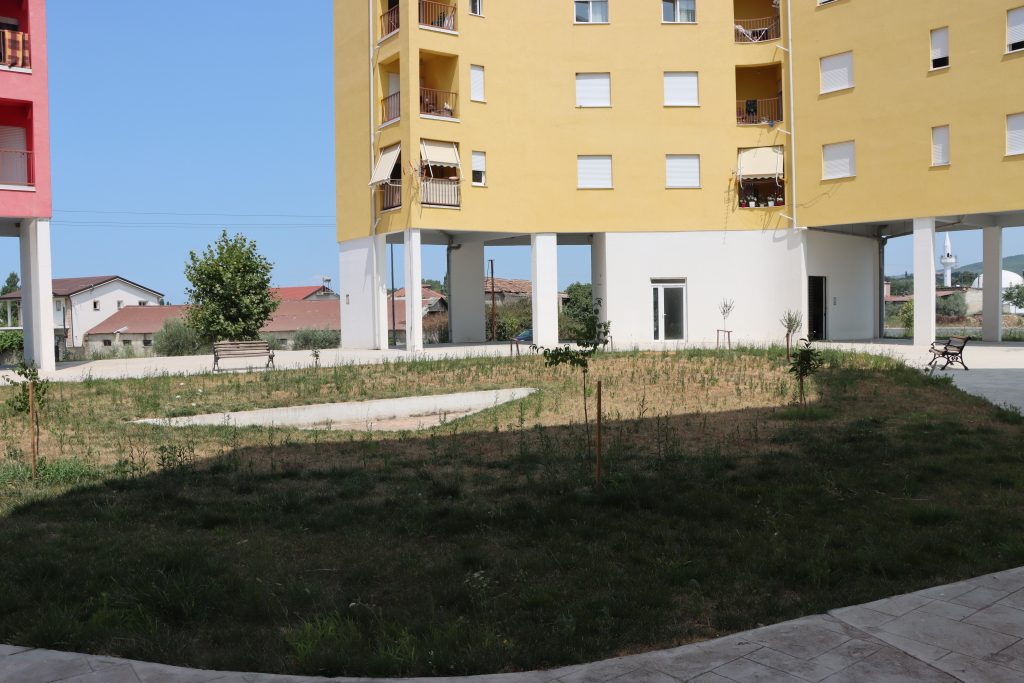
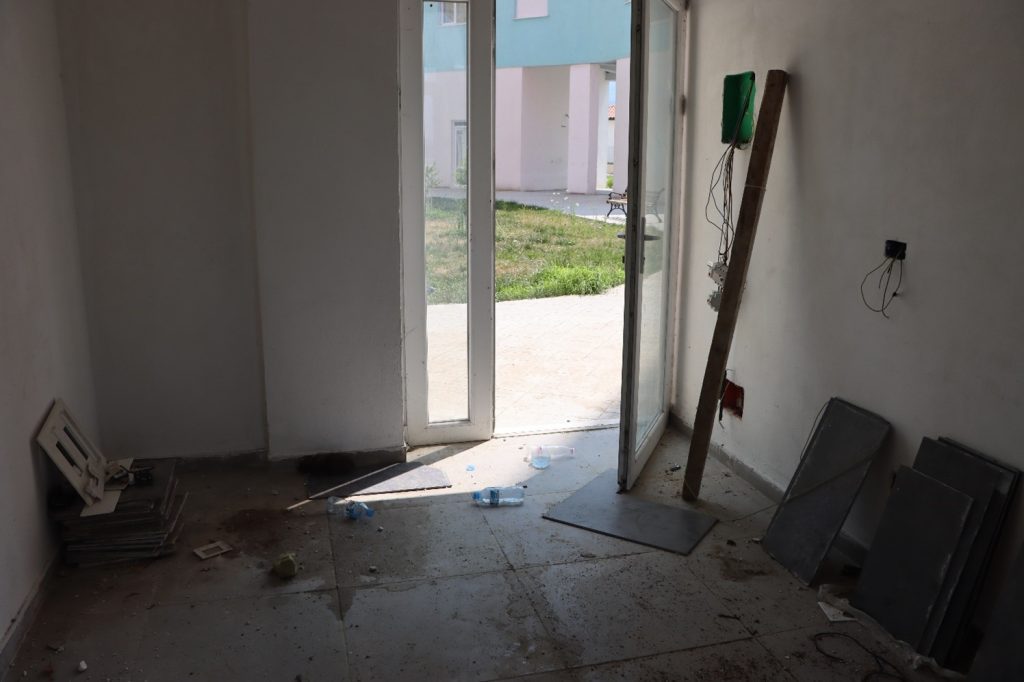
Even in the city of Vora, the situation is almost the same, even though Prime Minister Edi Rama himself inaugurated the construction of new apartments on May 4, 2024, the beneficiaries are still without their homes.
This is best shown by the two brothers, Sulejman and Muharrem Kasa, who are still without an announcement as to when they will receive their entrances to the built palaces.
In addition, they travel every day about 9 km from their apartment and land, in the village of Prezë, which is already destroyed, to the center of Vora, where the new apartment has been assigned to them.
" I wake up and start going out at 6 in the morning, I look for a car or walk to get to the bus and then I arrive in Vora where I am waiting to get my new house. I go to Tirana to sell vegetables and then I come back, the return is more difficult because there is no more transportation, I have often done it on foot and now I don't know how I will manage, the land there and the house here," says Suljemani.
This whole routine for Suljeman and Muharrem has now become even more complicated, since with the new entry into the apartments they will have to abandon their agricultural products from which they provided the little income.
Post-earthquake reconstruction, despite its intentions, has isolated villagers from their traditional lives and agricultural incomes. The inability to maintain the lands and infrastructural problems have worsened their conditions. While new buildings and houses provide shelter, fully addressing the needs of residents remains a challenge that requires immediate attention.